
Last updated October 16, 2026
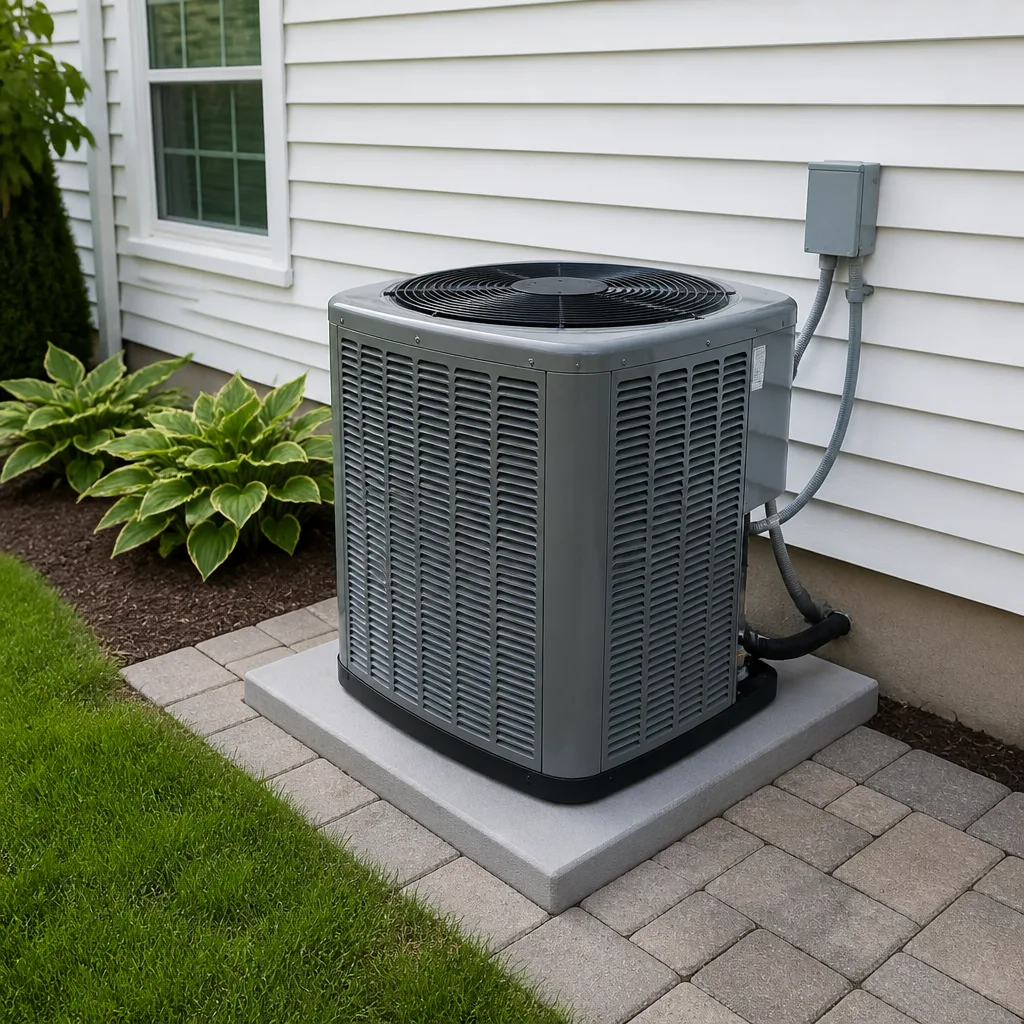 AC repair
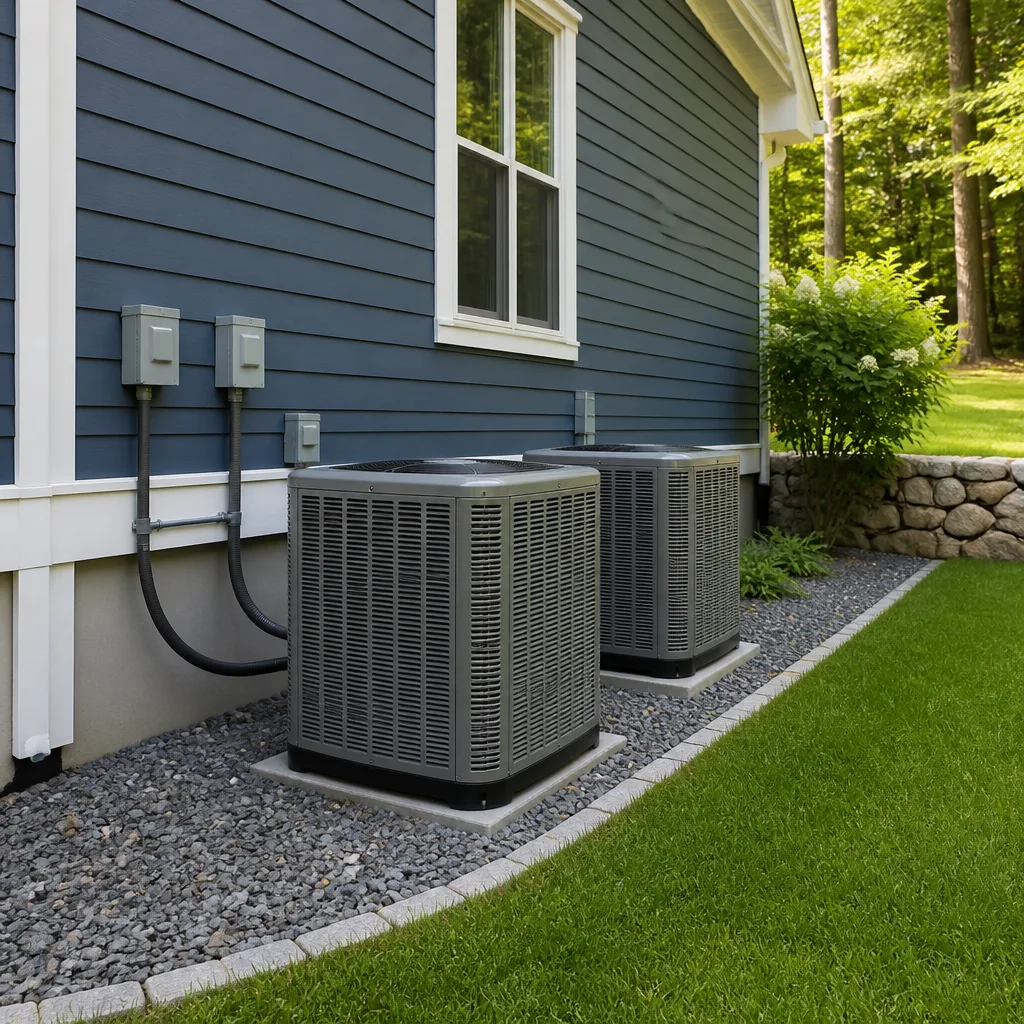 Heat pumps
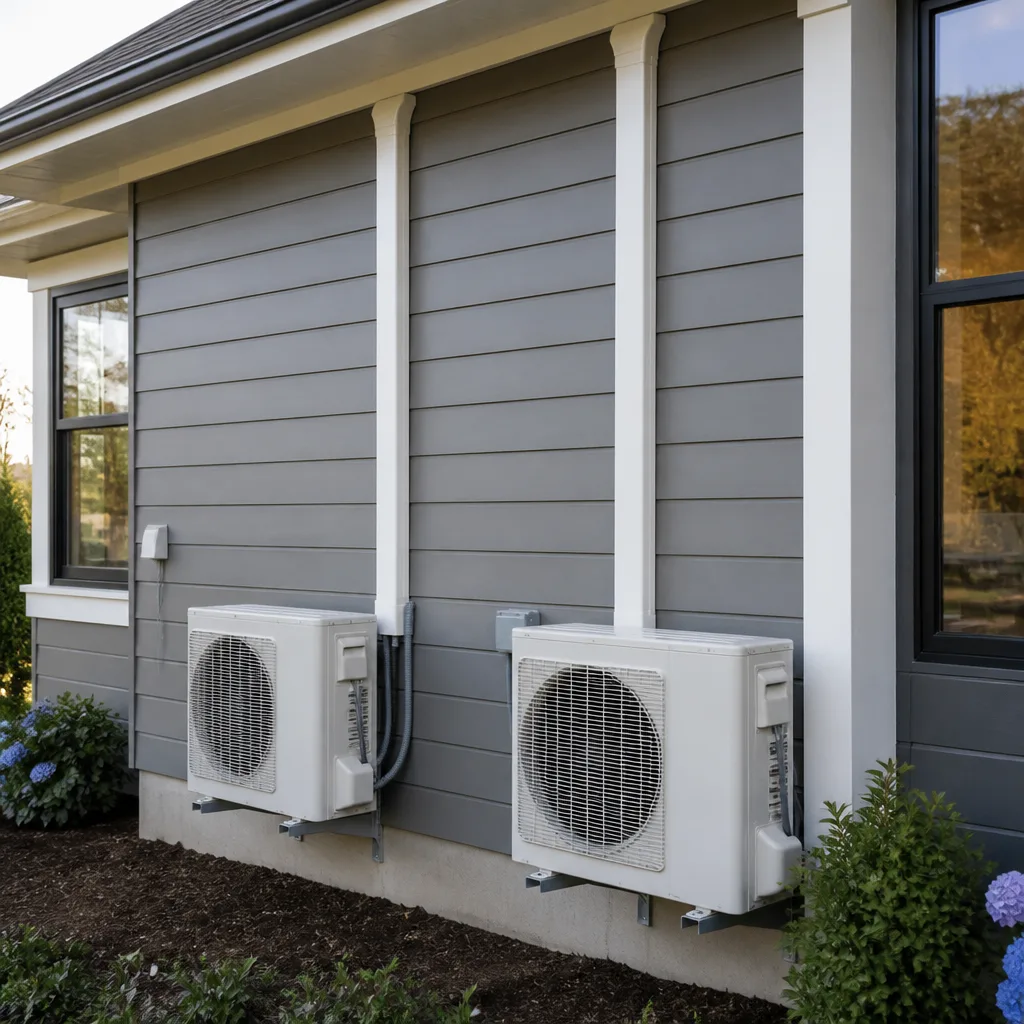 Ductless mini splits
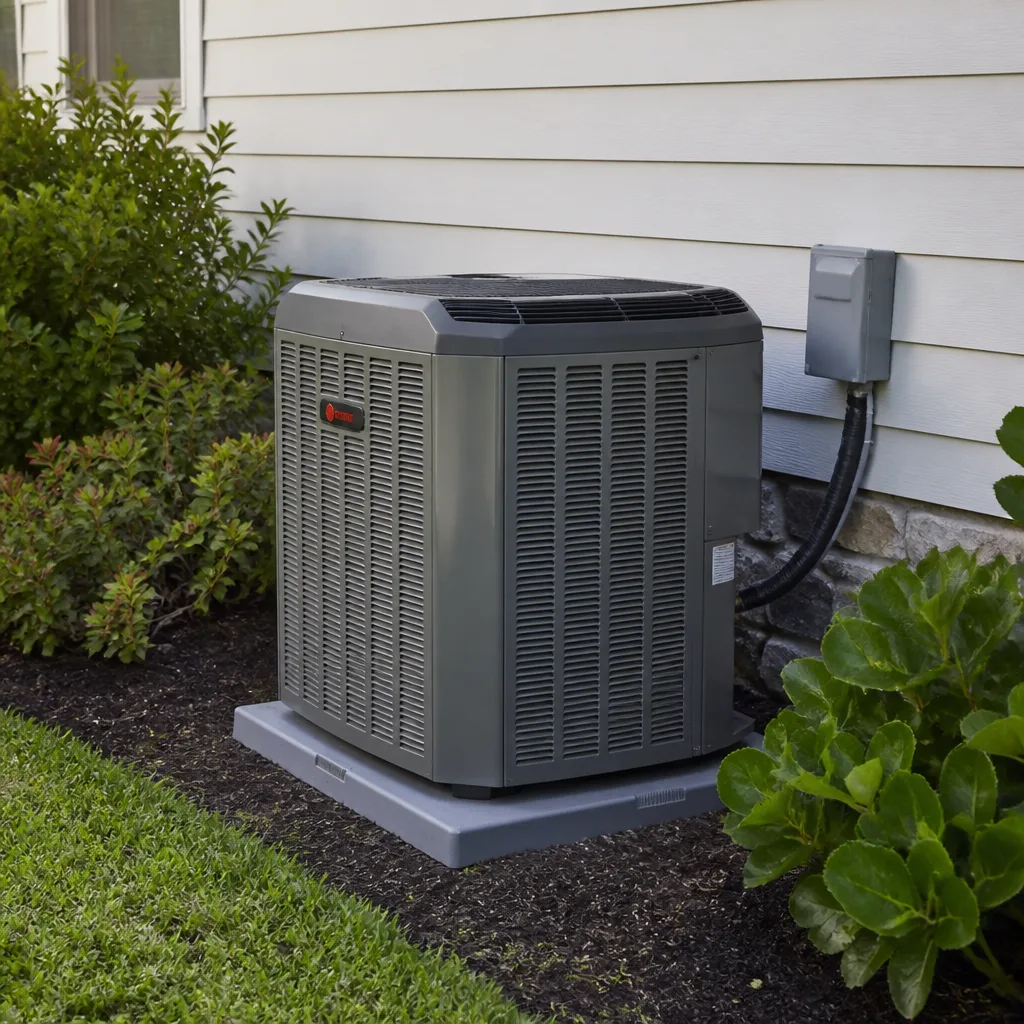 Trane
Trane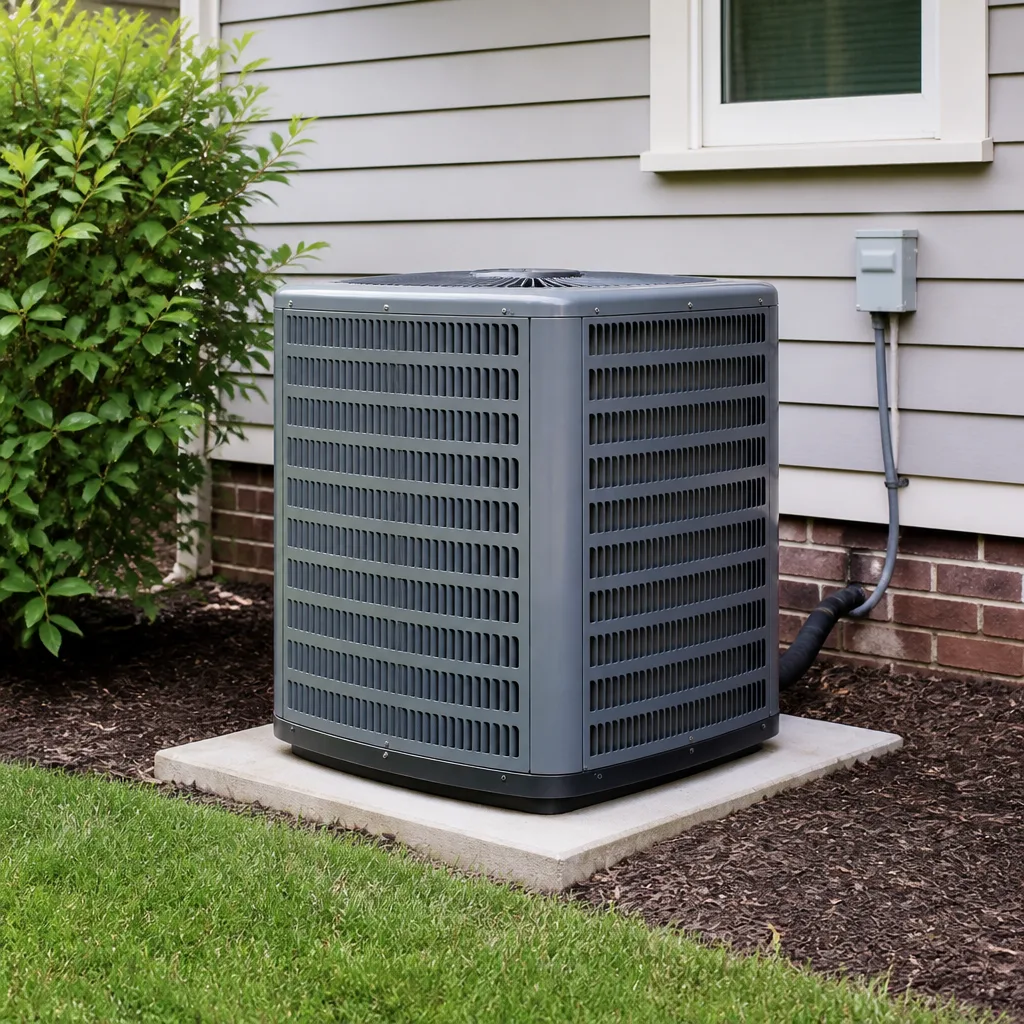 Goodman
Seasonal tune-up and full diagnostic on your Carrier, Trane, or Goodman system - readings shown to you before any repair is proposed
Diagnosis first, numbers second - you approve the repair price before a single part goes in.
Get your free estimateAC Repair Maintenance Checklist for West Palm Beach Homeowners
A clogged condensate drain line is the single most common AC service call in South Florida, and it costs between $75 and $200 to clear. Yet it is 100% preventable with a $4 bottle of distilled vinegar and a task that takes four minutes. That gap between what homeowners pay and what they could prevent is the entire reason this guide exists. Most AC maintenance checklists are written for climates where the system rests for four months. West Palm Beach systems never truly rest. This checklist is built around continuous-run realities: drainage that never fully dries, filters that load faster, and capacitors that die younger. By the end, you will know exactly what to check, when to check it, and what to document before any technician steps through your door.
Styles & brands we work with
Quick Answer
An AC maintenance checklist for West Palm Beach homeowners needs three tiers: monthly tasks (filter checks, drain line treatment, thermostat verification), quarterly tasks (coil inspection, drain pan cleaning, breaker exercise), and annual professional service (capacitor testing, refrigerant level check, full system calibration). The single highest-impact task you can do yourself is pouring one cup of distilled vinegar down the condensate drain line every month to prevent the clog that causes most South Florida AC failures.
Table of Contents
- Why West Palm Beach AC Needs a Different Checklist
- Monthly Tasks: The Four-Minute Routine
- Quarterly Tasks: What to Check Every 90 Days
- Annual Tasks: The Professional Service Items
- The Condensate Drain and Pan: South Florida’s Weakest Link
- Capacitors and Contactors: Why They Die Young in West Palm Beach
- Refrigerant Line Insulation: The UV Problem Nobody Mentions
- What to Document Before Every Technician Visit
- Common Mistakes to Avoid
- When to Call a Professional
- Frequently Asked Questions
- The Bottom Line
Why West Palm Beach AC Needs a Different Checklist
A typical residential AC system in the continental United States runs about 1,200 hours per year. In West Palm Beach, that number is closer to 2,900 hours, and in a hot summer month, it is not unusual to see a system running 18 to 20 hours a day. The compressor cycles on and off hundreds of times per week. The blower motor never gets a real break. The condensate drain line never gets a chance to dry out.
Every AC component has a rated lifespan measured in cycles and run-hours. A capacitor rated for 10,000 cycles in a northern climate might reach that number in eight years. The same capacitor in a West Palm Beach system can hit 10,000 cycles in four years. That is not a defect. It is math. The checklist that works for a homeowner in Ohio, where the system sleeps from October to April, simply does not apply here. In our experience across AC repair calls in West Palm Beach, the failures we see most often are the ones generic checklists never mention: clogged drain lines from constant humidity, corroded contactors from salt air, and sun-baked insulation on refrigerant lines.
This guide is written for systems that run hard, year-round, in heat, humidity, and coastal air. The intervals are shorter. The specific failure points are different. And the documentation you keep matters more because your system’s components are aging faster than the national average.
Monthly Tasks: The Four-Minute Routine
These are the tasks every West Palm Beach homeowner should perform once a month, every month, including winter. Florida’s mild winters mean your AC still cycles, which means the drain line still collects water, which means the routine never stops.
1. Pour one cup of distilled vinegar down the condensate drain line
Find the condensate drain line. It is usually a white PVC pipe near the indoor air handler, often in a closet, garage, or attic. There will be a T-shaped opening with a cap. Remove the cap, pour in one cup of distilled white vinegar, and replace the cap. Vinegar dissolves the algae and biofilm that grows inside the drain line in South Florida’s constant humidity. Do not use bleach. Bleach can damage the PVC and corrode the metal drain pan underneath the coil. This task costs about $4 for a gallon of vinegar, which lasts four months. It prevents a $75 to $200 drain-clearing service call, and it prevents the water backup that can flood a closet or ceiling.
2. Check the air filter and replace if it looks loaded
In West Palm Beach, a standard 1-inch fiberglass filter can load up in 30 days during peak summer, especially if you have pets, run the fan continuously, or live near a busy road. Hold the filter up to a light. If you cannot see light through it, replace it. For most homes, a mid-grade pleated filter with a MERV rating between 8 and 11 strikes the right balance between air quality and airflow. Do not jump to a MERV 13 or higher unless your system was designed for it. High-MERV filters restrict airflow, which makes the evaporator coil freeze up, which causes its own set of problems. We cover this in detail on our AC maintenance page for West Palm Beach.
3. Confirm the thermostat is reading and responding correctly
Set the thermostat to cool, drop the set point two degrees below the current room temperature, and confirm the outdoor unit kicks on within 60 seconds. Then set it back to your normal temperature. This takes 30 seconds and catches dead thermostats, failed batteries (if applicable), and communication errors before they become a no-cooling situation at 2 a.m.
4. Look at the outdoor unit for visible obstruction
Walk outside and look at the condenser unit. Leaves, mulch, palm fronds, and grass clippings clog the coil fins and reduce the system’s ability to reject heat. Pull anything loose off the top and sides. Do not open the unit. Just clear the visible debris. A system with a clogged coil runs hotter, draws more amps, and shortens the compressor’s life.
Quarterly Tasks: What to Check Every 90 Days
Every three months, add these checks to the monthly routine. They take about 20 minutes total and require no special tools.
1. Inspect the condensate drain pan for standing water or sediment
If your air handler is in a closet or garage, you can usually see the drain pan underneath it. Shine a flashlight in and look for standing water, rust, or a slimy film. In South Florida humidity, biofilm builds inside the pan even when the drain line is clear. Standing water means the drain is partially clogged or the pan is not sloped correctly toward the drain port. Sediment buildup is a sign the pan needs cleaning before it blocks the drain outlet entirely.
2. Test the condensate float switch (if your system has one)
Many West Palm Beach air handlers have a float switch that shuts the system down when the drain pan fills. Find the switch, usually a small plastic box attached to the drain line or sitting in the pan. Gently lift the float mechanism (or the test lever if equipped). The system should shut down. If it does not, the switch has failed, and you have lost the single best protection against a water-damage event. This is a cheap part, usually $25 to $60 installed, and worth testing every quarter.
3. Check the outdoor unit’s coil fins for damage
Look around the perimeter of the condenser. Bent fins from weed trimmers, hail, or pressure washing restrict airflow across the coil. You can buy a fin comb for under $15 and straighten minor bends yourself, but if large sections are crushed flat, call a professional. The outdoor coil is the system’s primary heat exchanger. A restricted coil raises head pressure, increases energy use, and shortens compressor life.
4. Exercise the AC circuit breaker
West Palm Beach thunderstorms cause power surges and momentary outages. Breakers that never get cycled can develop internal corrosion, especially in coastal air. Once per quarter, turn the AC breaker off at the main electrical panel, wait 60 seconds, and turn it back on. If the breaker trips again within a day, you have an electrical problem that needs professional attention, not a second reset.
Annual Tasks: The Professional Service Items
Once per year, preferably in March or April before the hardest heat arrives, schedule a professional maintenance visit. The annual service is where a technician handles the tasks that require training, tools, and safety awareness.
What a proper annual AC maintenance visit in West Palm Beach should include:
- Capacitor testing under load – the technician measures microfarads (µF) with the capacitor still wired. A capacitor that reads below 90% of its rated value is failing, even if the system is still running.
- Contactor inspection – checking for pitting, corrosion, and burnt contacts. Salt air in West Palm Beach accelerates contactor wear. A pitted contactor is a $60 to $120 repair. A contactor that welds itself shut can destroy a compressor that costs $2,500 to $4,500 to replace.
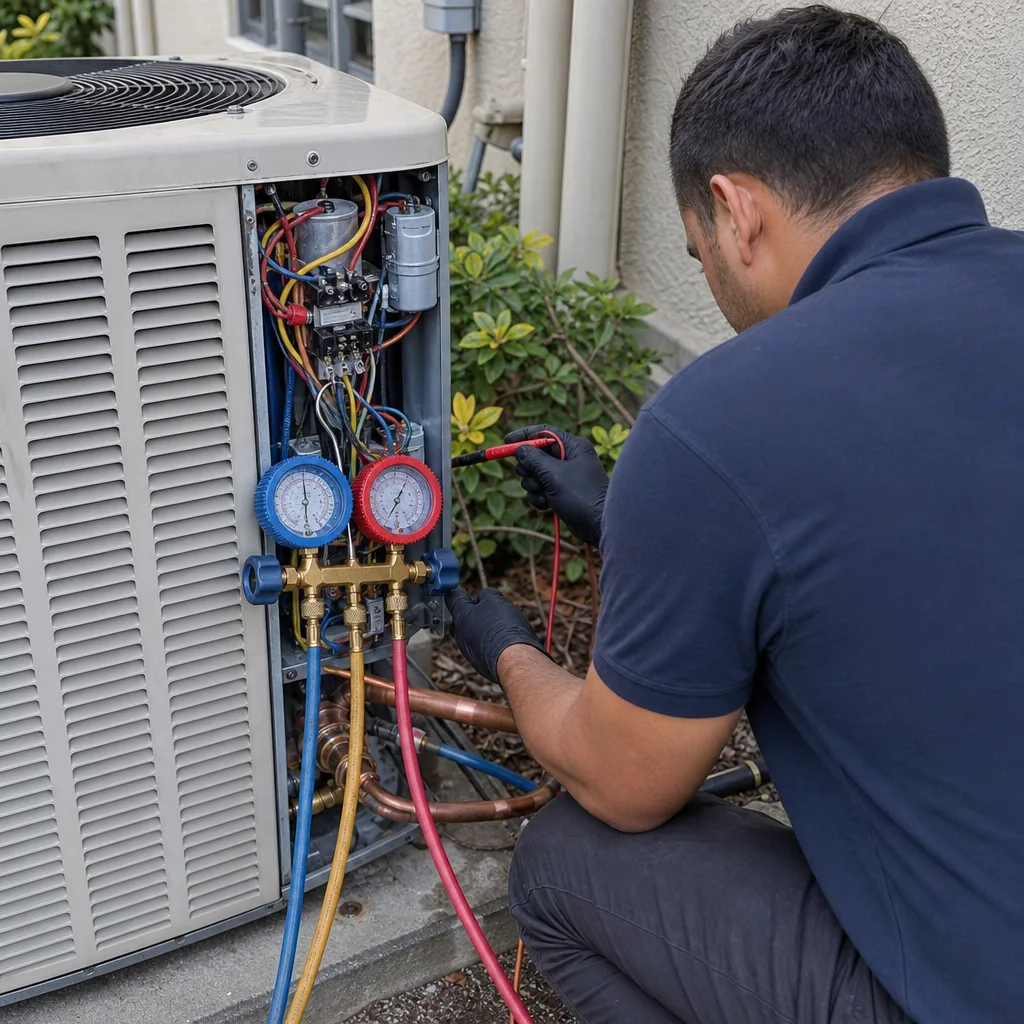
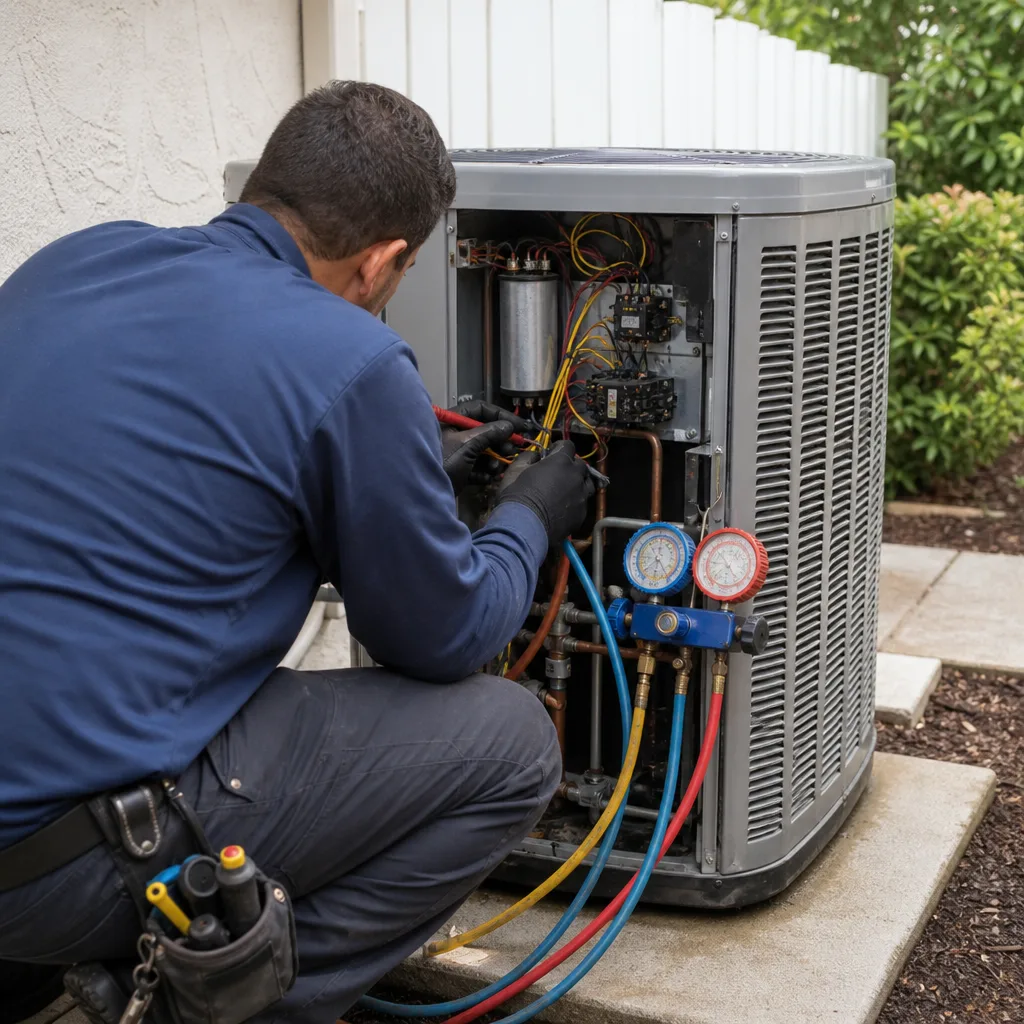
- Refrigerant level check – using manifold gauges and superheat/subcooling measurements. A system that is low on refrigerant by even 10% will lose cooling capacity and run longer cycles. Proper charge is measured, not guessed.
- Condensate drain line flush and pan cleaning – a proper flush uses compressed air or a wet-dry vac, not just vinegar. The technician should also clean the drain pan and check the float switch operation.
- Coil cleaning (both coils) – the evaporator coil inside and the condenser coil outside. In West Palm Beach, the outdoor coil accumulates salt, sand, and organic debris. The indoor coil collects the biofilm that South Florida humidity breeds.
- Blower motor and fan amp draw check – a blower motor drawing more amps than its rating is failing. Early detection is the difference between a $350 repair and a $1,200 replacement.
- Thermostat calibration – confirming the displayed temperature matches actual room temperature within one degree.
- Electrical connection tightening – loose connections cause voltage drop, which causes overheating, which causes component failure.
In our experience servicing West Palm Beach homes since 2003, the annual visit is the single best money a homeowner spends on their AC system. Systems that get annual service last 3 to 5 years longer than systems that do not. We see this pattern every week in neighborhoods from Flamingo Park to Ibis Golf and Country Club.
For reference, our Brandt HVAC Co West Palm Beach home page details our maintenance process, including the written price before any work starts.
The Condensate Drain and Pan: South Florida’s Weakest Link
Your AC system removes gallons of water from the air every day. In West Palm Beach, where summer dew points hover in the mid-70s, a 3-ton system can pull 8 to 12 gallons of water out of the air in a single day. All of that water has to go somewhere. It flows through the condensate drain line and into your plumbing, or outside to a French drain. When that line clogs, the water has nowhere to go but back into the drain pan, then over the edge of the pan, then into your ceiling, wall, or floor.
The clog itself is not dirt. It is biofilm: a living colony of algae, mold, and bacteria that grows on the inside walls of the PVC pipe. South Florida’s combination of constant moisture, warm temperatures, and dark pipe interiors creates the ideal environment for biofilm growth. Northern systems dry out between cooling seasons. West Palm Beach systems do not.
The mold-and-flood combo is the real risk. If the drain line clogs slowly, water backs up into the pan, and the pan overflows. If the system has a working float switch, the system shuts down before flooding, and you discover the problem as a “system won’t turn on” call in August. If the float switch has failed, you discover the problem as a water stain spreading across your ceiling.
The condensate inspection steps every homeowner should know:
- Locate the drain line opening (the T-shaped vent with a cap) near the indoor air handler.
- Once per month, pour one cup of distilled vinegar down the line to control biofilm growth.
- Every three months, shine a flashlight into the drain pan under the air handler. Standing water is a warning sign.
- Every six months, test the float switch by lifting the float and confirming the system shuts down.
- Once per year, have a professional flush the line with compressed air and clean the drain pan. We include this on every annual maintenance visit.
The cost of prevention: about $4 per month in vinegar. The cost of neglect: a $75 to $200 drain clearing call, plus whatever water damage the overflow caused. In West Palm Beach, that water damage can run into thousands of dollars, and mold remediation is a separate line item entirely.
Capacitors and Contactors: Why They Die Young in West Palm Beach
Every time your AC system starts a cooling cycle, two electrical components take the hit: the capacitor gives the compressor and fan motor the voltage jolt they need to start, and the contactor is the switch that closes to deliver power to the system. Both components are rated in cycles. Both wear out faster in high-cycle environments.
In a northern climate, an AC system might start 1,000 to 2,000 cooling cycles per year. In West Palm Beach, where the system runs most days of the year, that number can exceed 5,000 cycles. A capacitor rated for 30,000 cycles might last 15 years in Minneapolis. The same capacitor in West Palm Beach can fail in 6 years. This is not a manufacturing defect. It is the reality of continuous operation.
Heat makes it worse. The outdoor condenser unit sits in the sun on the side of your house or on your roof. In August, the internal temperature of that unit can exceed 130 degrees. The capacitor’s dielectric fluid degrades faster at high temperatures. The contactor’s metal contacts pit and corrode faster in salt air, which is a factor for homes east of I-95 and on the barrier islands.
Early warning signs homeowners can check themselves:
- A hard-starting compressor – the outdoor unit makes a buzzing sound for 2 to 5 seconds before the fan spins up, or the lights in the house dim briefly when the system starts. This suggests the capacitor is struggling to provide the starting voltage.
- The fan is running but the air is not cold – the outdoor fan may spin, but the compressor is not turning because the capacitor cannot start it. This is the classic “fan runs, no cooling” capacitor failure.
- Visible bulging or leaking on the capacitor – if you are comfortable removing the outdoor unit’s access panel (only with power disconnected at the breaker), look at the capacitor. A bulging top, a split case, or oily residue means it has failed or is failing.
- Chattering or buzzing from the contactor – a contactor with pitted contacts may chatter when it pulls in. This creates arcing, which further damages the contacts. A chattering contactor needs replacement now, not later.
Capacitor replacement in West Palm Beach typically runs $180 to $320 parts and labor, depending on the system and the capacitor type. Contactor replacement is usually $150 to $280. Both are far cheaper than the compressor replacement ($2,500 to $4,500) that can result from a welded contactor or a failed capacitor that keeps the compressor from starting and causes it to overheat.
We service all major residential brands including Carrier, Trane, and Lennox, and the failure patterns are consistent across every brand. High cycle counts and high heat affect them all equally.
Refrigerant Line Insulation: The UV Problem Nobody Mentions
The refrigerant lines that connect your outdoor condenser to your indoor evaporator coil are covered in foam insulation, usually black or gray. That insulation is not decorative. It prevents the suction line (the larger of the two copper tubes) from sweating and losing cooling capacity before the refrigerant reaches the coil. In West Palm Beach, that insulation takes a beating from ultraviolet radiation.
UV light degrades foam insulation. After 3 to 5 years in direct South Florida sun, the insulation on an exterior refrigerant line run becomes brittle, cracked, and flaking. Once the foam is compromised, two things happen: the suction line sweats, dripping water where it should not, and the system loses capacity because the refrigerant warms up before it reaches the evaporator. The system runs longer cycles to compensate, which uses more electricity and adds run-hours to every component.
How to inspect refrigerant line insulation yourself:
- Locate the two copper refrigerant lines running between the outdoor unit and the house. The larger one is the suction line; the smaller one is the liquid line.
- Walk the full length of the exposed run, looking for cracking, flaking, or missing sections of foam.
- Pay special attention to the first three feet nearest the outdoor unit, where UV exposure is most direct, and any section that faces west or south.
- If the insulation is cracked or missing, measure the diameter of the copper line (usually 3/4 inch or 7/8 inch for residential systems) and purchase replacement foam insulation at a hardware store for under $10.
- Replace the damaged section with new insulation and wrap the seams with UV-resistant tape. Do not use duct tape; it degrades in sunlight within months.
Roof-mounted systems are the worst case. A rooftop condenser in West Palm Beach gets full sun from sunrise to sunset, and the refrigerant lines running across the roof get the same exposure. We routinely replace insulation that is completely gone on rooftop runs, leaving bare copper exposed to 140-degree roof surface temperatures. This is a maintenance item that generic checklists ignore entirely, but in West Palm Beach it matters more than in almost any other coastal Florida market.
What to Document Before Every Technician Visit
Paper trails matter. When a system fails, the question is always the same: what was done, when, and by whom. Homeowners who keep basic documentation get faster warranty approvals, better insurance settlements, and cleaner repair histories. This is especially true in West Palm Beach, where a system’s components age faster and the question of “was this normal wear or a service error” comes up more often.
Before any technician arrives, document the following:
- System make, model, and serial number – photograph the data plate on the outdoor unit and the indoor air handler. Store the photos in a folder on your phone. When a parts warranty question comes up, these photos answer it in seconds.
- Current system behavior – write down exactly what the system is doing: “fan runs but no cold air,” “system short-cycles every 5 minutes,” “water dripping from the air handler.” Specific descriptions help the technician diagnose faster and create a record of when the symptom appeared.
- Recent maintenance or repair history – if you had the capacitor replaced 18 months ago, say so. If you paid for a drain line flush in the spring, the technician should know that before they start.
- Photograph the area around the air handler – if there is any existing water staining, corrosion, or damage, document it before the technician begins work. This protects you if a question arises later about whether a technician caused damage.
- The written price – we provide a written price before any work starts on every job. Keep it. It is your protection against surprise charges and your record of what was agreed to.
- The written guarantee – every repair should include a written guarantee that states exactly what is covered and for how long. Our repairs carry a 365-day guarantee. If a covered repair fails within that period, we return at no charge under our 365-Day Done Right Promise.
Keep all of this in a single folder, physical or digital. Five years of documentation is the difference between a smooth warranty claim and a denied one. In West Palm Beach, where systems run harder and fail younger, this documentation is not optional overhead. It is part of owning a home in this climate.
Common Mistakes to Avoid
- Skipping winter maintenance because “the AC isn’t running as much.” West Palm Beach systems still cycle in winter. Humidity does not take a season off. The drain line is still wet, the biofilm is still growing, and the filter is still loading. The monthly routine continues year-round.
- Using bleach in the condensate drain line. Bleach corrodes PVC, damages the metal drain pan, and produces fumes that circulate through the house. Distilled vinegar is the correct treatment. It is gentler, cheaper, and equally effective at controlling biofilm.
- Installing the highest-MERV filter you can find. A MERV 13-plus filter on a system not designed for it restricts airflow, causes the evaporator coil to freeze, and can damage the compressor. MERV 8 to 11 is right for most West Palm Beach homes.
- Ignoring a hard-starting compressor because “it still cools.” A compressor that buzzes before starting is telling you the capacitor is failing. Waiting until the capacitor fails completely turns a $200 capacitor replacement into a potential compressor failure.
- Closing vents in unused rooms to save energy. This raises static pressure in the duct system, which reduces airflow across the evaporator coil, which causes freezing and shortens blower motor life. Keep vents open.
- Pressure-washing the outdoor condenser unit. The high-pressure spray bends coil fins flat and drives water into the electrical compartment. Use a garden hose with a normal nozzle, or better, leave coil cleaning to a professional who will use proper coil cleaner and low-pressure rinse.
- Not testing the float switch because “it has never failed.” Float switches fail silently. The switch is a $40 part that protects against a multi-thousand-dollar water damage event. Test it every quarter. It takes 10 seconds.
When to Call a Professional
Some things on this checklist are DIY. Others are not. Call a professional if you see any of the following: refrigerant lines that are frozen or sweating heavily, a compressor that hums but does not start, any burning smell coming from the air handler or outdoor unit, water leaking from the indoor unit beyond the drain pan area, or a breaker that trips twice in the same month. Electrical components inside an AC unit carry enough voltage to cause serious injury or death. The capacitor inside your outdoor unit can hold a lethal charge even with the power disconnected. Do not open the access panel unless you have the training to discharge it safely. Brandt HVAC Co West Palm Beach offers free estimates in West Palm Beach, and every repair includes a written price and a written guarantee. Call (728) 220-0996 and a live person answers, 24 hours a day.
Frequently Asked Questions
In West Palm Beach, a standard 1-inch filter should be checked every 30 days and replaced when loaded, which is typically every 30 to 60 days depending on pets, household size, and whether the fan runs continuously. Hold the filter up to a light, and if you cannot see through it, it is time to replace it, regardless of how many days it has been installed. Homes near busy roads, construction, or the beach will load filters faster due to dust, salt, and particulate matter.
The monthly checklist prevents the most common failure (drain clogs) and extends component life, but it does not replace a professional annual service. The annual visit includes tasks you cannot do yourself: capacitor testing under load, refrigerant level measurement, electrical connection tightening, and coil cleaning. Systems in West Palm Beach run 2,900-plus hours per year, and the annual service is the single best investment in system longevity. For a specific quote on annual maintenance, call (728) 220-0996 for a free estimate.
Monthly vinegar treatments control biofilm growth but do not remove existing buildup. If the line has already accumulated a significant biofilm layer, vinegar will slow further growth but will not clear the restriction. A one-time professional flush with compressed air or a wet-dry vac will clear the existing buildup, after which the monthly vinegar routine usually keeps it clear. If clogs recur despite monthly treatment, the drain line may have an installation problem such as improper slope or a sagging section that holds water.
Professional annual AC maintenance in West Palm Beach typically runs $120 to $280 for a standard residential system, depending on system size, accessibility, and what the service includes. The lowest-priced options often include little more than a filter change and a visual inspection. A proper annual service includes capacitor testing, refrigerant level check, coil cleaning, drain line flush, and electrical inspection. We provide a written price before any work starts, so you know the cost before you agree to anything. Call (728) 220-0996 for a specific quote.
If your system is more than 12 years old and needs a major component (compressor, evaporator coil, or outdoor unit replacement), replacement is usually the better financial decision in West Palm Beach. A system running 2,900 hours annually accumulates wear faster than the national average, and a major repair on an older system often leads to another major repair within 18 months. If your system is under 10 years old and the repair is under $1,000, repair is typically the right call. For a straight answer on your specific situation, call (728) 220-0996 and we will give you a written price and a written guarantee on whatever we recommend.
First, check the simple things: the thermostat setting, the circuit breaker, and whether the float switch has tripped (indicated by water in the drain pan). If those are fine and the system is still down, call a company that answers the phone with a live person around the clock. Brandt HVAC Co West Palm Beach has a live person answering 24 hours a day, 7 days a week, including nights, weekends, and holidays. A failed system in South Florida summer heat is not just uncomfortable, it is a health risk for older homeowners and young children. Call (728) 220-0996 any time.
The Bottom Line
West Palm Beach AC systems run harder than the national average, and the maintenance they need is different because of it. The condensate drain line is the most common failure point and the easiest to prevent. Capacitors and contactors die younger in high-cycle, high-heat, salt-air environments, and the warning signs are visible if you know what to look for. Refrigerant line insulation degrades under South Florida sun and needs inspection at least annually. Documentation of every service and repair protects your warranty and your home. Do the monthly four-minute routine. Do the quarterly checks. Schedule the annual professional service. If something fails, get a written price and a written guarantee before work starts. For maintenance, repair, or a straight answer, call Brandt HVAC Co West Palm Beach at (728) 220-0996. A live person answers, day or night.
Written by Devin Marlowe, Owner at Brandt HVAC Co West Palm Beach, serving West Palm Beach since 2003.
See the difference
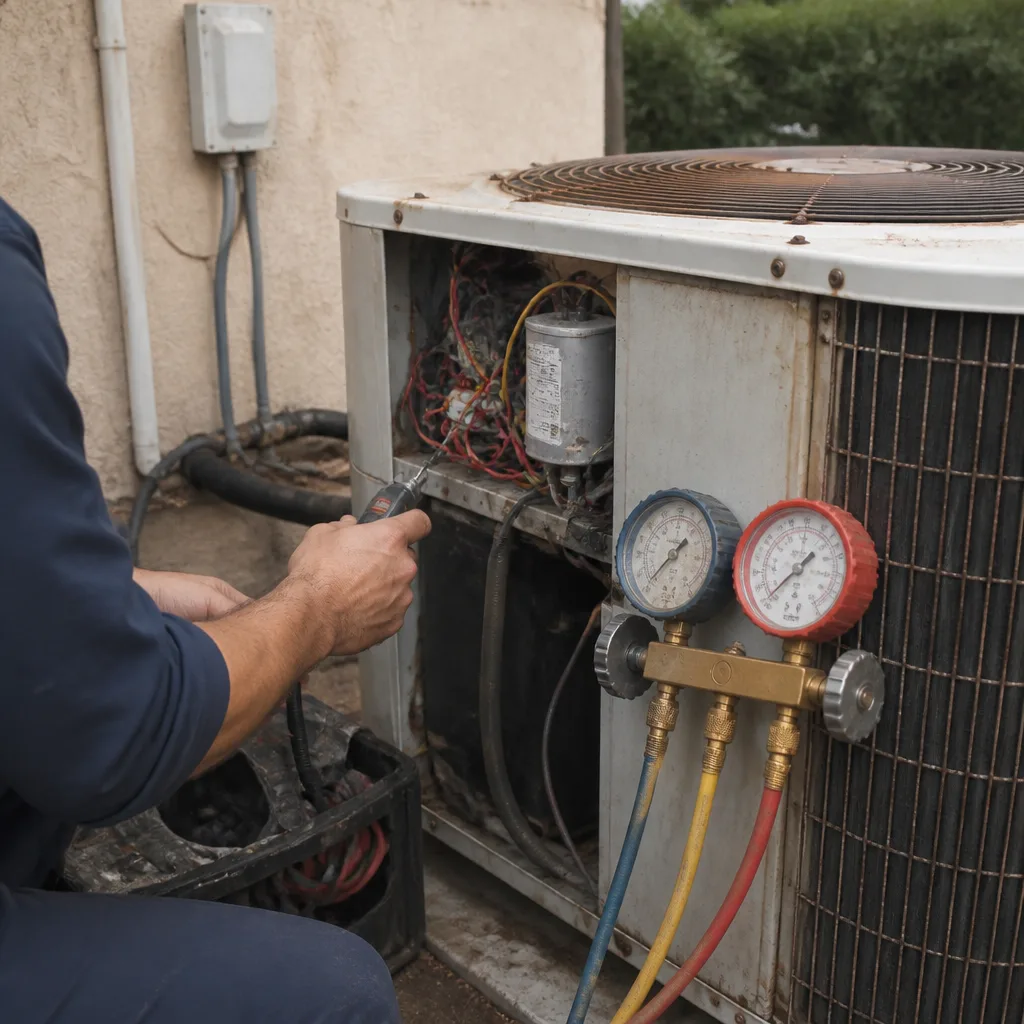 Before
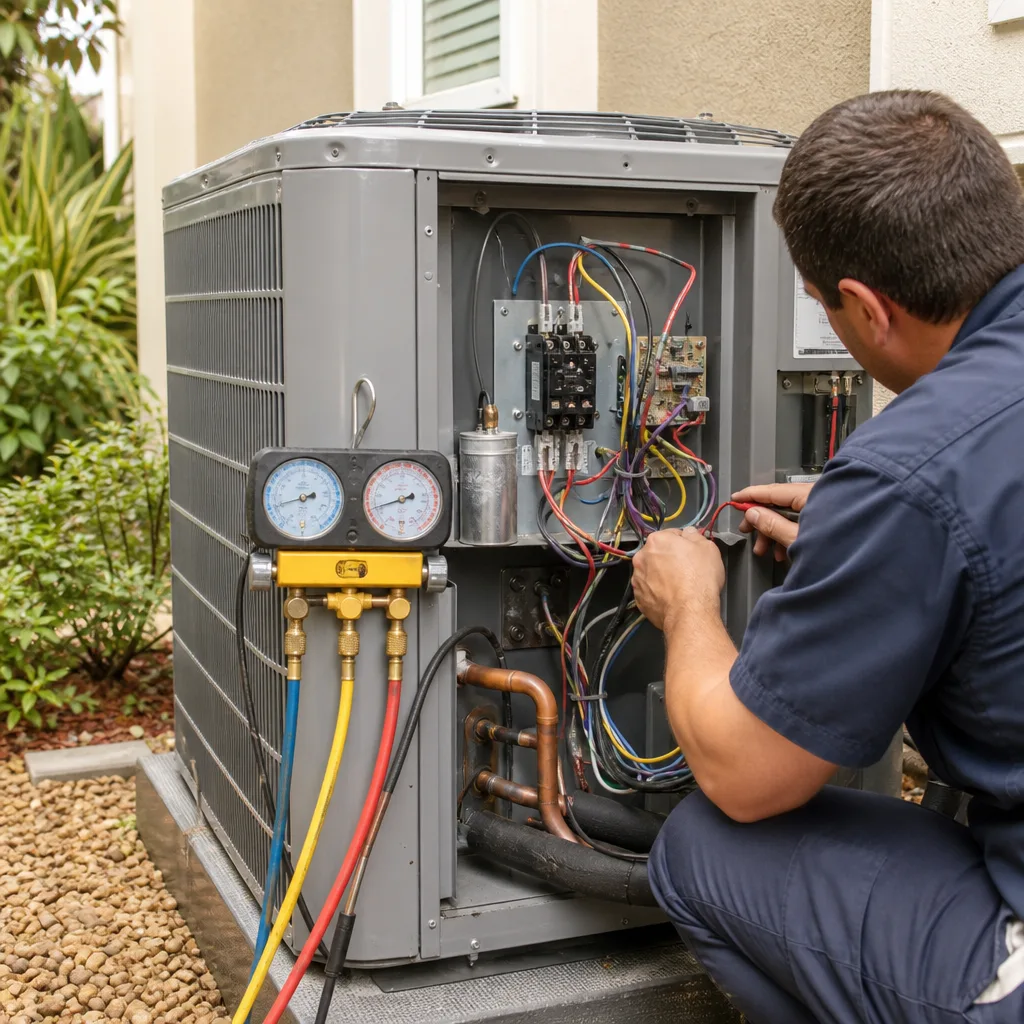 After
After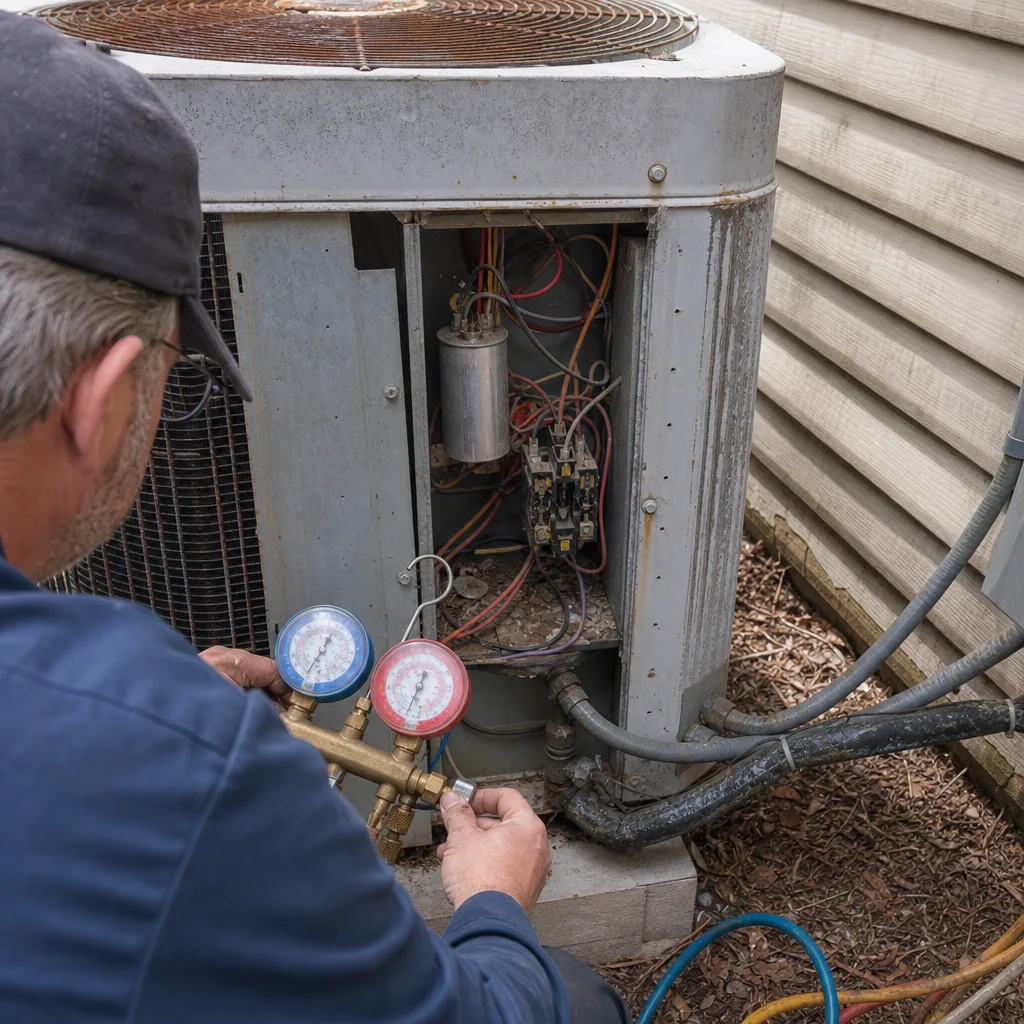 Before
 After
After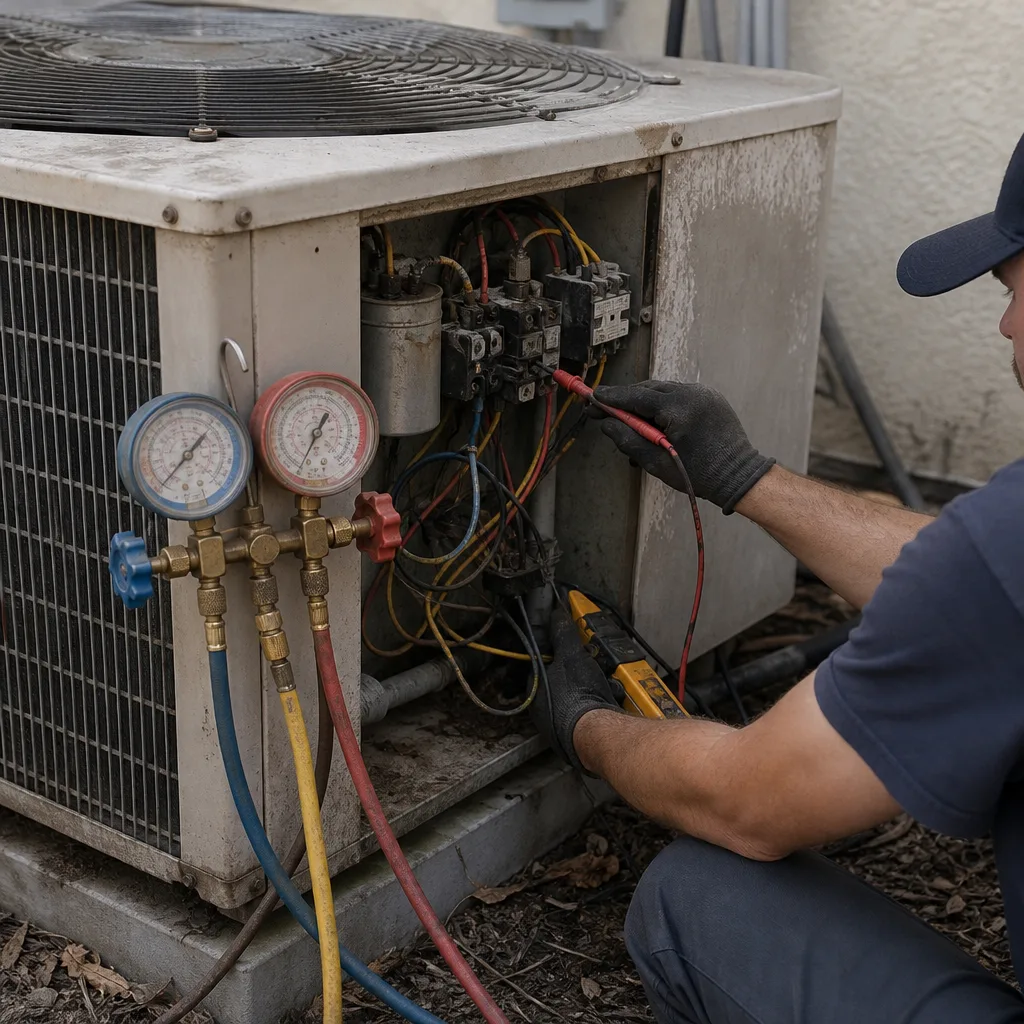 Before
 After
After