
Last updated October 16, 2026
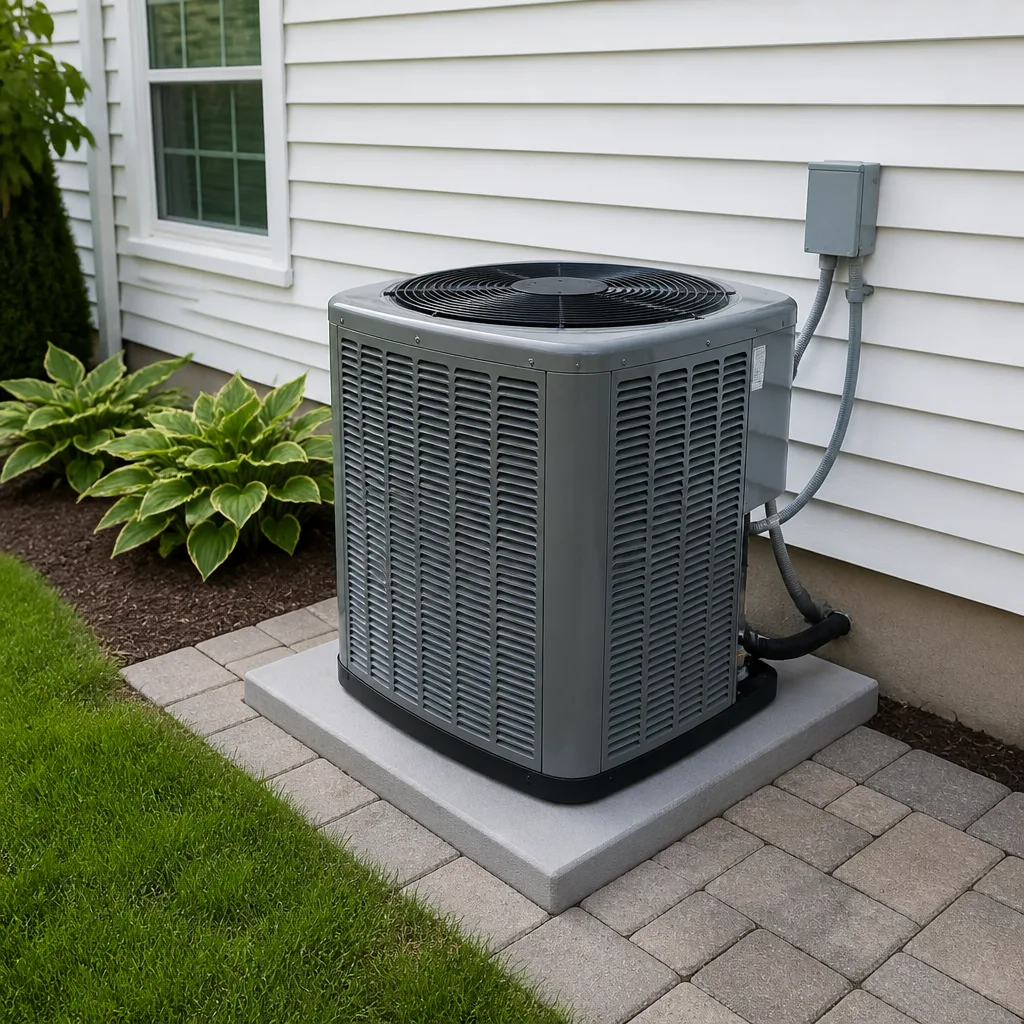 AC repair
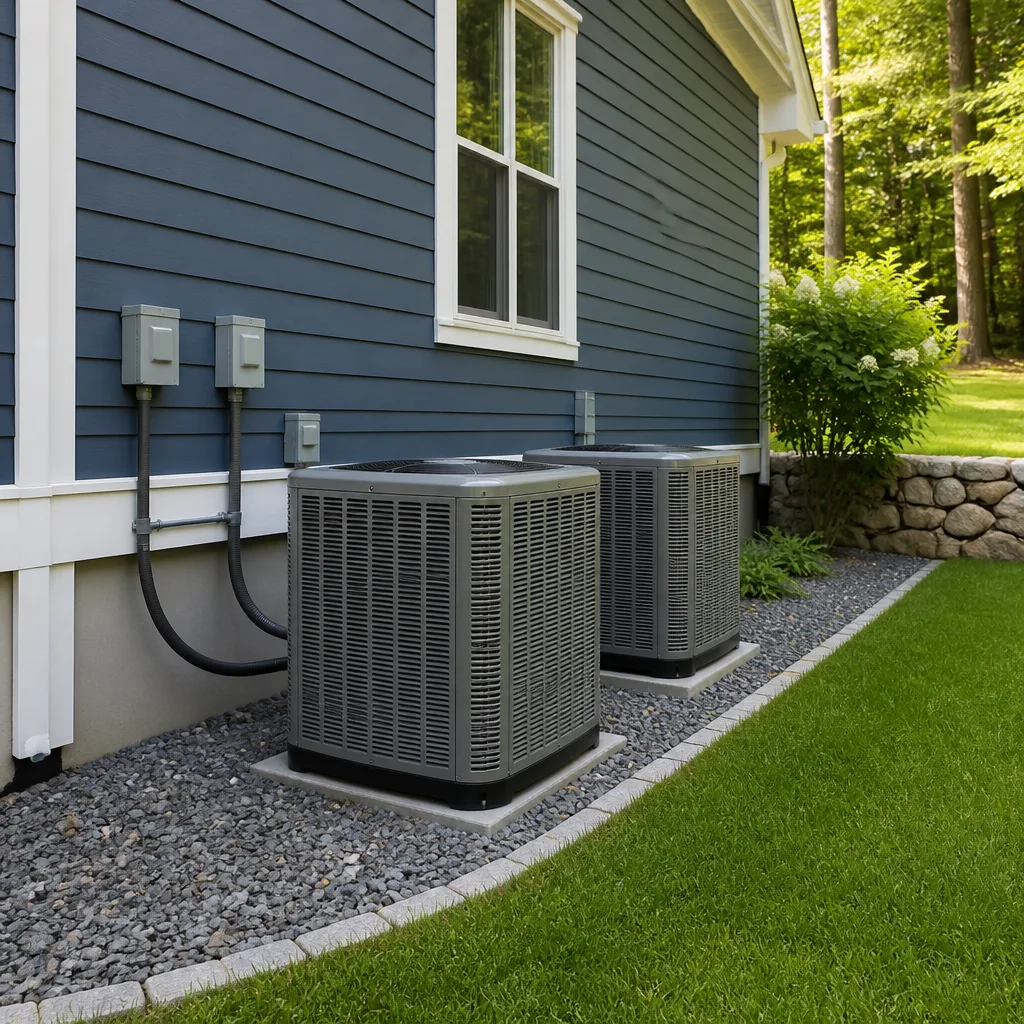 Heat pumps
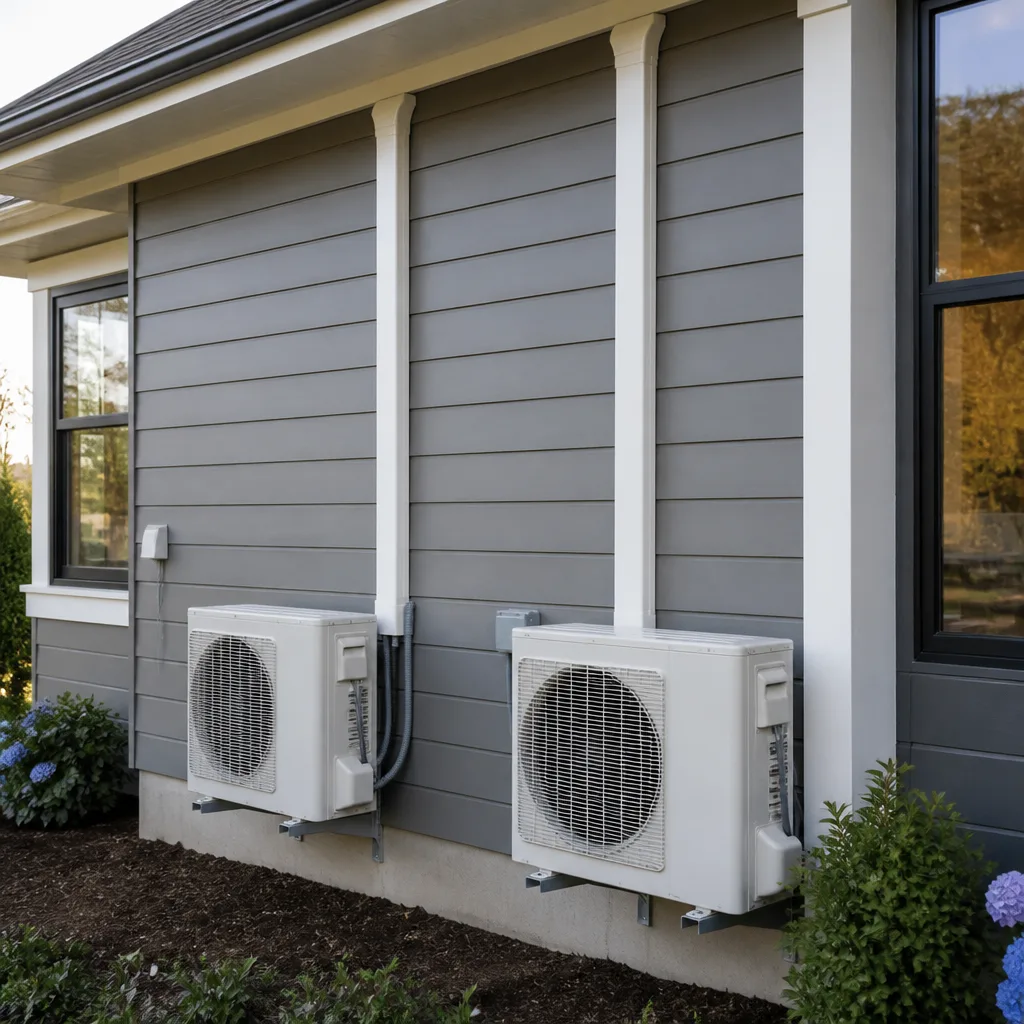 Ductless mini splits
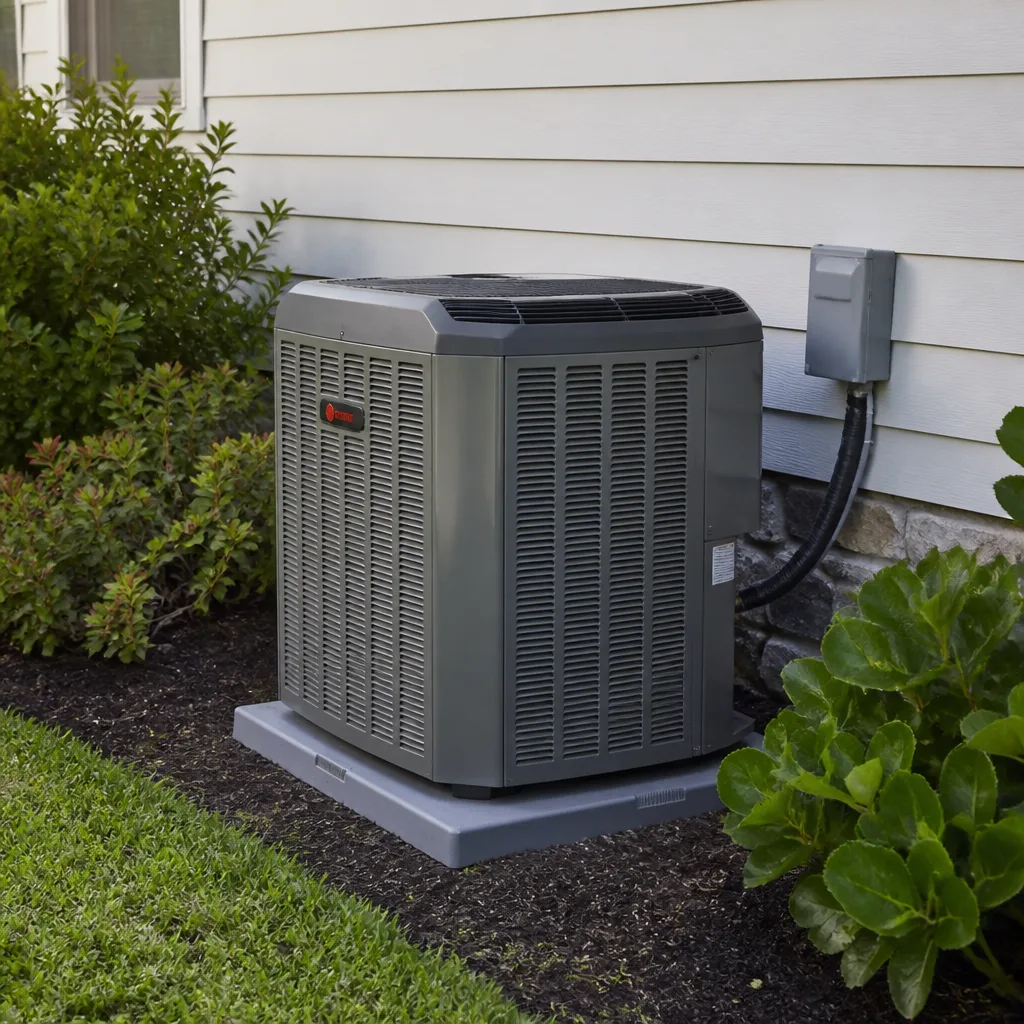 Trane
Trane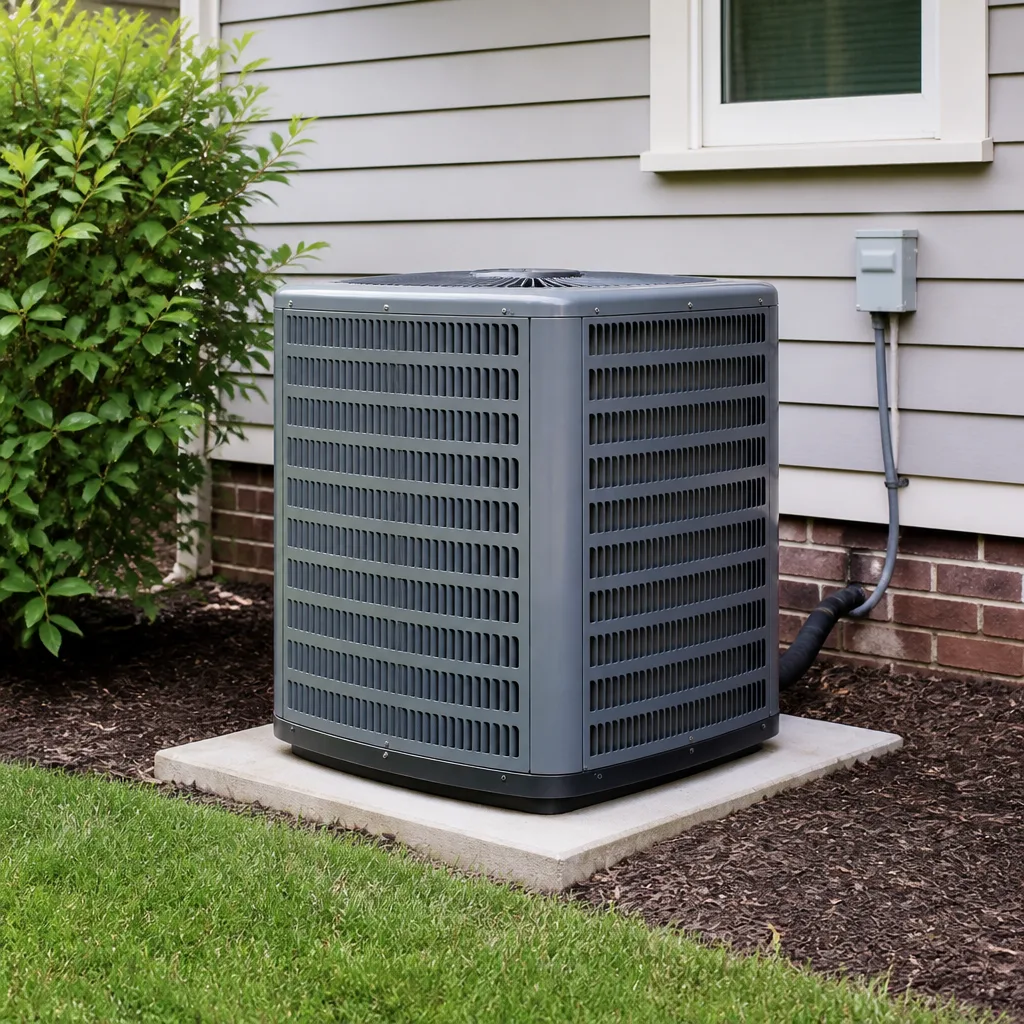 Goodman
Seasonal tune-up and full diagnostic on your Carrier, Trane, or Goodman system - readings shown to you before any repair is proposed
Diagnosis first, numbers second - you approve the repair price before a single part goes in.
Get your free estimateSeasonal HVAC Care for West Palm Beach: Year-Round Homeowner’s Guide
November is the highest-value month on the West Palm Beach HVAC calendar, and almost no homeowner schedules anything. Think about what your system just went through: six months of near-daily runtime, salt air moving across the condenser coil, afternoon thunderstorms driving humidity through the roof, and sustained outdoor temperatures that kept your compressor working harder than any system north of Orlando will ever know. The system is warm, the parts are stressed, and a technician who knows what a post-season failure pattern looks like can spot trouble in November that becomes a February emergency call. West Palm Beach doesn’t have four HVAC seasons. It has two: a brutal cooling season from April through October, and a neglect season from November through March when the most preventable damage accumulates. This guide-along with our Complete Guide to HVAC in West Palm Beach-maps every task to the actual climate calendar, so you know exactly what to do, when to do it, and what to skip entirely.
Styles & brands we work with
Quick Answer
Seasonal HVAC care in West Palm Beach means two things: a thorough post-cooling-season audit every November to catch stress failures before they become emergencies, and a pre-season system check every March before the cooling load returns. The tasks that matter most in this climate are capacitor voltage testing, condensate drain flushing, coil cleaning, refrigerant pressure verification, and humidity control adjustments during the June through September wet season. Skipping the November audit is the single most expensive maintenance mistake a West Palm Beach homeowner can make; see our AC Repair Maintenance Checklist for West Palm Beach Homeowners for the full task list.
Table of Contents
- The November Post-Season Audit: Why It’s the Most Important Task on the Calendar
- December Through February: The Neglect Season That Breeds Emergencies
- Why January and February Are the Only Safe Months to Test Heat Strips
- The March Pre-Season Window: Getting Ready for the Hardest Months
- Humidity Management: The Wet Season Battle (June Through September)
- Tropical Storm and Hurricane Prep for HVAC Systems
- Filter Schedule for West Palm Beach: What Actually Works
- Common Mistakes to Avoid
- When to Call a Professional
- Frequently Asked Questions
- The Bottom Line
The November Post-Season Audit: Why It’s the Most Important Task on the Calendar
Here’s the pattern we see every year in West Palm Beach. A homeowner runs the AC hard from April through late October. The system performs fine, or fine enough. Then November arrives, temperatures drop into the 70s, the AC stops cycling as often, and the homeowner forgets the system exists until the first 88-degree day in April. That four-month gap is exactly when small problems become big ones. A capacitor that’s been degrading all summer sits in warm, humid air and loses its ability to hold a charge. A condensate drain that’s been slowly clogging with biofilm dries into a hardened plug. A contactor with pitted contacts waits to weld itself shut on the first hard start of spring.
The November post-season audit should cover five specific areas:
- Capacitor voltage check. The capacitor is the part that gives your compressor and fan motor the jolt they need to start. In West Palm Beach, capacitors degrade faster than in drier climates because humidity accelerates the breakdown of the dielectric material inside. A technician can test the actual microfarad rating against the rating printed on the capacitor itself. If it’s more than 10% below spec, replace it now. The part costs $30 to $80 in most cases, and replacing it in November means you’ll never know the inconvenience of a no-cool call on the first hot day of April.
- Coil condition assessment. The outdoor condenser coil has been collecting salt, sand, and organic debris for six months. Salt air in West Palm Beach neighborhoods closer to the intracoastal accelerates aluminum fin corrosion. A visual inspection plus a coil cleaning now, when the system is idle, prevents the reduced heat transfer that forces your compressor to work harder next summer.
- Drain line and pan inspection. The condensate drain should be flushed with water or compressed air, and the drain pan checked for standing water. Standing water in a dark, warm space is a breeding ground for the biofilm that causes the classic South Florida drain clog.
- Contactor inspection. The contactor is the electrical switch that turns the compressor and fan on and off. After a long West Palm Beach cooling season, contactor points can be pitted or burned. Pitted contacts create resistance, resistance creates heat, and heat creates failure.
- Thermostat calibration check. This is the one item homeowners can do themselves. Set the thermostat to 72 degrees and place a reliable thermometer next to it for 20 minutes. A thermostat that reads two or three degrees off causes the system to run longer than it should, which costs money every single month.
The November audit is also the right time to schedule any repairs that the audit uncovers. Parts are available, scheduling is open, and you’re not competing with the spring rush. If you’ve been considering AC maintenance in West Palm Beach, November is the month to book it. The cost of a post-season audit and the small repairs it catches is almost always lower than the cost of a single emergency call during the first heat wave.
December Through February: The Neglect Season That Breeds Emergencies
West Palm Beach winters are mild, which is precisely why they’re dangerous for HVAC systems. The system isn’t running hard, so problems aren’t loud. A failing motor bearing doesn’t squeal when the fan isn’t spinning. A slow refrigerant leak doesn’t cause a noticeable temperature difference when the AC only cycles for an hour a day. The system sits silent, and silence in Florida means problems are developing without an audience.
Here’s what’s actually happening during the December through February window:
- Refrigerant leaks continue. A pinhole leak in an evaporator coil doesn’t stop leaking just because the AC isn’t running. The system loses charge all winter, and when the first hot day arrives, the system can’t cool because it’s been slowly bleeding refrigerant for three months. This is the most common cause of “the AC worked fine last year but won’t cool now” calls we get in April.
- Moisture accumulates in the ductwork. West Palm Beach winter humidity levels stay high even when temperatures drop. Humid air infiltrates the duct system, especially in unconditioned attics, and creates the conditions for mold growth. This is the reason some homeowners notice a musty smell the first time the AC runs in spring.
- Rodents seek shelter. When outdoor temperatures dip, rodents look for warm, dry places. An outdoor condenser unit with a missing access panel is an invitation. Rodent damage to wiring and insulation is a real failure pattern in West Palm Beach, particularly in older neighborhoods with mature landscaping.
- Electrical connections loosen. Thermal expansion and contraction through repeated heating and cooling cycles will loosen electrical connections over time. Loose connections are a fire hazard, and they’re the kind of problem that’s easy to catch with a simple inspection during the quiet season.
One practical winter task is to run the system for 15 minutes once every two weeks, even when temperatures are comfortable. This circulates refrigerant oil through the compressor, preventing seals from drying out. It also moves air through the ductwork and gives you a chance to hear any unusual sounds before they become failures. This is a task any homeowner in West Palm Beach can do, and it costs nothing.
For homeowners with a furnace that needs repair in West Palm Beach, December through February is the one window when furnace issues become visible. Most West Palm Beach homes have electric heat strips or heat pumps rather than gas furnaces, but the principle is the same: test the heating function during the coldest months, when a failure will actually be noticed.
Why January and February Are the Only Safe Months to Test Heat Strips
This is the kind of detail that separates a West Palm Beach HVAC specialist from a national template. Heat strips, which are resistance heating elements installed in the air handler, are the primary heating source in many South Florida homes. They’re also the most common source of winter failures, because they draw a lot of current and corrode in the humid air.
The standard advice nationwide is to test your heating system every fall. In most of the country, that makes sense. In West Palm Beach, testing heat strips in November or December creates a specific problem: if the test reveals a problem, the repair requires parts and scheduling, and during those two months, the AC is still cycling enough that a failed heat strip isn’t an urgent issue. The repair gets deferred, the homeowner forgets about it, and the problem resurfaces the next time the heat is actually needed.
January and February are different. Those are the two coldest months in West Palm Beach, with average lows in the 50s and occasional dips into the 40s. A heat strip failure during those months is immediately noticeable, which means the test and the repair happen in the same window. There’s no gap for the problem to hide in.
The test itself is straightforward for a professional: turn the thermostat to heat mode, set the temperature several degrees above the current indoor temperature, and measure the amperage draw on each heat strip. A properly functioning 5kW strip should draw about 20 amps. A strip drawing 12 amps has a burned-out element. A strip drawing zero amps has a control problem. Our technicians at Brandt HVAC Co West Palm Beach home perform this test as a standard part of any winter maintenance visit, and it takes less than 10 minutes.
Homeowners can do a basic version of this test themselves: turn the thermostat to heat, set it three degrees above the current room temperature, and wait five minutes. If the air coming from the vents is room temperature or cool, the heat strips are not working. If the air is warm but the system turns off after only a minute or two, the high-limit switch is tripping, which usually means restricted airflow. Both findings are worth a professional visit, but the January and February window is when the diagnosis will be accurate.
The March Pre-Season Window: Getting Ready for the Hardest Months
March is the second-highest-value month on the West Palm Beach HVAC calendar, right behind November. The system has been mostly idle for three months. The cooling season is about to begin. This is the window to confirm that everything survived the winter and is ready for the load that’s coming.
A March pre-season check should cover three specific tasks:
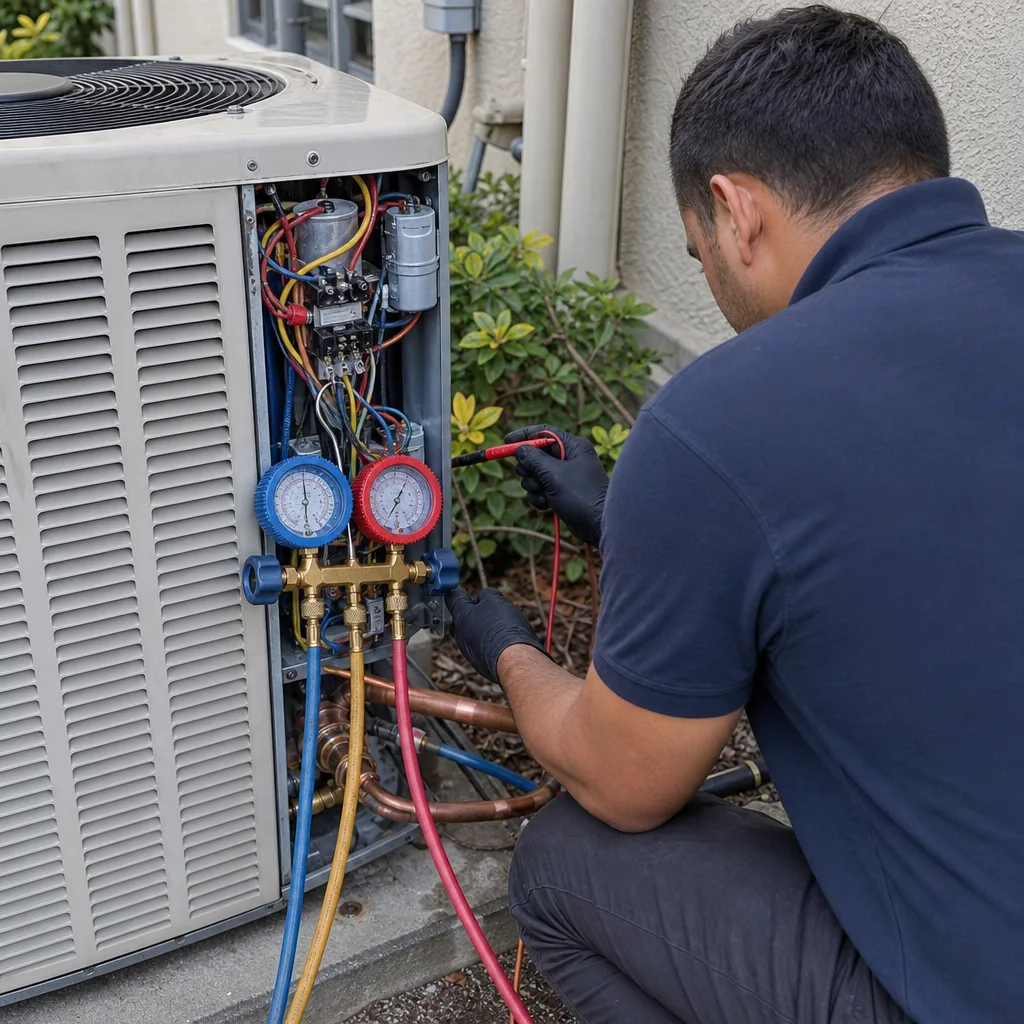
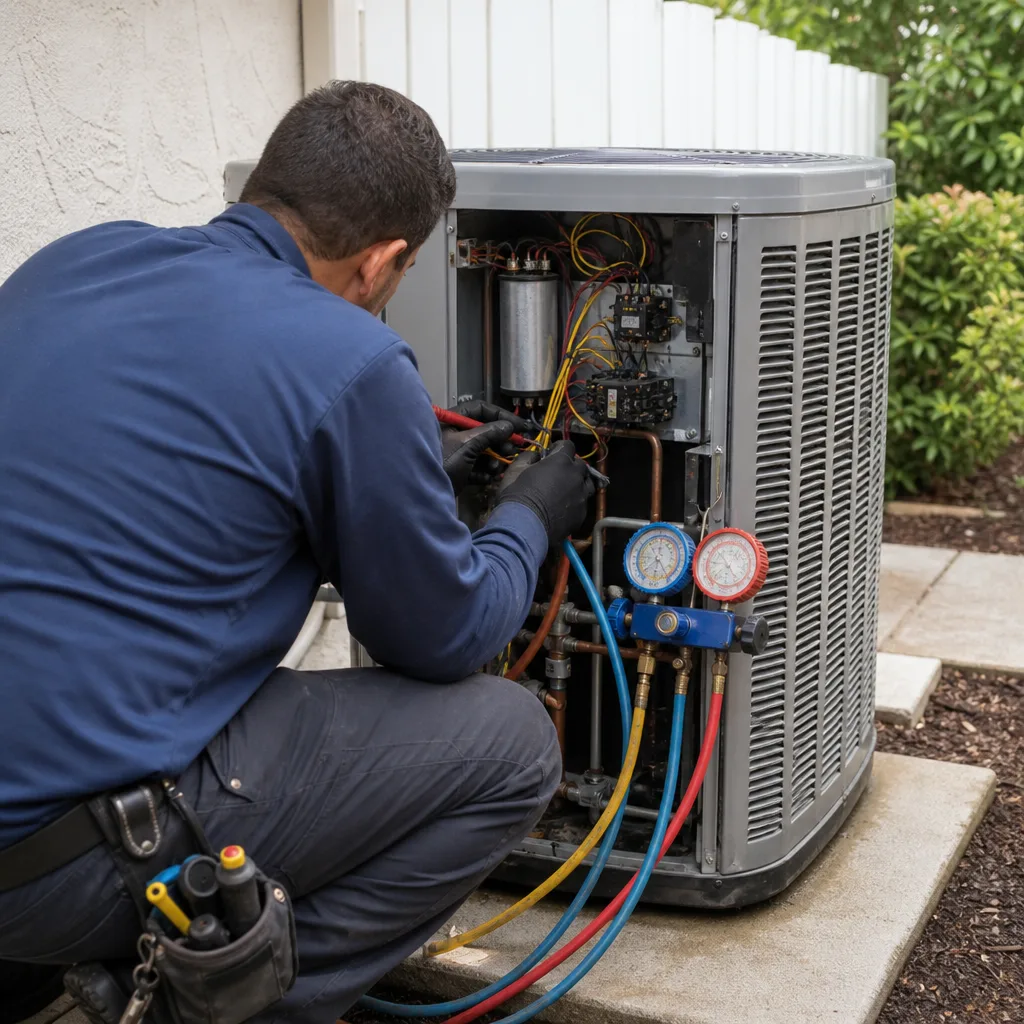
- Refrigerant pressure verification. This is the critical task. The only way to know if a system has lost refrigerant over the winter is to measure the suction and discharge pressures against the manufacturer’s specifications. A system that’s even 10% low on refrigerant will run longer, cool less effectively, and consume more electricity. In West Palm Beach, where the AC runs for six months straight, a 10% undercharge adds real money to every monthly electric bill. Brands like Rheem and York publish exact pressure charts for every model, and a technician with a manifold gauge set can verify charge in about 20 minutes.
- Drain flush and pan cleaning. The condensate drain has been sitting idle, and any biofilm that formed last summer has had three months to harden. A flush with warm water and a light cleaning solution now prevents the mid-summer clog that causes water damage to ceilings and walls. This is one of the cheapest preventive tasks a homeowner can pay for, and one of the most expensive to ignore.
- Filter baseline. Set a new filter on the same day every year, and mark the date. A consistent filter baseline makes it easier to track how quickly the filter actually loads up, which changes through the season. During the wet season in West Palm Beach, filters load faster because the system moves more air to manage humidity. A system that starts the season with a clean filter and a known date will have a predictable maintenance schedule all summer.
The March window is also the right time to consider any larger repairs that were deferred from the November audit. If the November inspection found a coil that was starting to corrode, March is the last comfortable window to replace it before the heat arrives. Parts from manufacturers like Daikin and Bryant are readily available in March. By late May, distribution channels are backed up and lead times stretch.
If you need AC repair in West Palm Beach, March is the month when the work gets done quickly and at standard pricing. Summer emergency calls cost more, take longer to schedule, and happen when the failure is already causing discomfort.
Humidity Management: The Wet Season Battle (June Through September)
West Palm Beach humidity is not a comfort issue. It’s a system-load issue, a mold issue, and an equipment-longevity issue. When outdoor relative humidity sits above 70% from June through September, an air conditioner has two jobs: remove heat and remove moisture. A system that’s properly sized and properly charged does both. A system that’s undersized, undercharged, or running with restricted airflow removes less moisture, and indoor relative humidity creeps upward even while the air feels cool.
The benchmark that matters for West Palm Beach homeowners is indoor relative humidity of 50% to 55%. Above 60%, you’ll feel sticky even at 72 degrees. Above 65%, you’re creating conditions for mold growth on walls, in closets, and inside the ductwork. We regularly measure indoor RH above 65% in West Palm Beach homes where the AC is running constantly, and the cause is almost always one of three things:
- Oversized equipment. A system with too much cooling capacity satisfies the thermostat quickly and never runs long enough to remove moisture. The air temperature drops, the humidity stays, and the result is a cold, clammy house. This is a common problem in newer West Palm Beach construction where builders specified equipment based on square footage alone rather than a proper load calculation.
- Incorrect fan speed. The blower fan moves air across the evaporator coil. If the fan runs too fast, the coil doesn’t get cold enough to condense moisture effectively. On many systems, including those made by Rheem and Bryant, the fan speed can be adjusted to optimize dehumidification without sacrificing comfort.
- Dirty evaporator coil. A coated coil doesn’t transfer heat efficiently, which means the coil can’t reach the dew point needed to pull moisture from the air. The system runs longer to compensate, but the moisture removal never catches up.
For homeowners measuring high indoor humidity during the wet season, the short-term fix is to run the fan on “auto” rather than “on” and to keep the thermostat at a consistent setting rather than raising it during the day. The long-term fix is a professional assessment of whether the system is properly sized, properly charged, and properly configured for dehumidification in a coastal climate.
Tropical Storm and Hurricane Prep for HVAC Systems
West Palm Beach sits in the direct path of Atlantic hurricanes, and HVAC storm prep is a distinct set of tasks that most national guides completely ignore. The goal is simple: protect the outdoor condenser unit from flying debris and protect the electrical system from the power surges and outages that accompany every named storm.
Before a storm approaches, take these steps:
- Shut the system down at the thermostat and the breaker. If the power flickers or surges during a storm, a running compressor can be damaged by voltage fluctuations. The breaker is the last line of defense. Shut off both.
- Secure the condenser unit. If the unit is in a flood-prone area of the yard, elevate it or surround it with sandbags. If the unit is exposed to wind-borne debris, cover it with a purpose-built condenser cover or a piece of plywood strapped in place. Do not use a tarp tied tightly around the unit; trapped moisture can cause more corrosion than the storm would.
- Clear the area. Remove patio furniture, potted plants, trash cans, and anything else that could become a projectile. A lawn chair moving at 90 miles per hour will punch through a condenser coil.
After the storm passes, do the reverse:
- Inspect for debris. Look for leaves, branches, and standing water around the unit. Remove whatever is safe to remove.
- Check for physical damage. Look for dents in the coil, a tilted pad, or exposed wiring. If the unit took a direct hit from debris, call a professional before restarting.
- Wait for the power to stabilize. Do not restart the system until utility power has been back and steady for at least 30 minutes. The first minutes after restoration often bring voltage fluctuations that can damage compressors.
- Restart and observe. Turn the system on and listen. Any banging, grinding, or rattling sound means a professional inspection is needed before the system runs for a full cooling season.
A storm-hardened condenser unit is also a selling point when the time comes to replace equipment. Brands like York and Daikin offer units with louvered coil protection and corrosion-resistant finishes that hold up better in salt air. The additional cost is modest compared to a coil replacement after five years of coastal exposure.
Filter Schedule for West Palm Beach: What Actually Works
National HVAC guides say to change your filter every 90 days. In West Palm Beach, that advice is wrong for most of the year. The system runs more, the air is wetter, and the filter loads faster. A 90-day schedule during the cooling season means the filter is choked with dust, pollen, and mold spores for the last month of its life, which restricts airflow and forces the system to work harder.
The schedule that actually works for most West Palm Beach homes:
- April through October: Check the filter monthly, and change it every 30 to 45 days. If you have pets, live near construction, or use ceiling fans constantly, lean toward 30 days.
- November through March: A 60-day schedule is usually sufficient. The system runs less, but humidity persists, and a damp filter is a mold source.
- Homes with allergy-sensitive occupants: Use a MERV 11 or MERV 13 filter during the wet season, and change it monthly regardless of how it looks. The filter is capturing mold spores, and a saturated filter stops capturing anything.
- After any storm event: Change the filter immediately. Storm winds load the air with debris, and the filter catches it all.
The cost difference between a 30-day schedule and a 90-day schedule is about $40 per year for most standard 1-inch filters. The cost of a system that’s been running with restricted airflow is several times that in wasted electricity and shortened equipment life. This is the easiest maintenance task in HVAC, and it’s the one most West Palm Beach homeowners skip.
Common Mistakes to Avoid
- Skipping the November audit. The system has just finished its hardest six months. Every failure pattern from the summer is still visible. Waiting until April means waiting until the problems are hidden under three months of idle time and the repair costs are inflated by the spring rush.
- Testing heat strips in the fall. In most of the country, fall heating tests are standard advice. In West Palm Beach, a November heat test that reveals a problem creates a repair that gets deferred, because the problem isn’t urgent yet. Test heat strips in January or February, when the cold makes the result immediately meaningful.
- Closing vents in unused rooms. This is the most persistent HVAC myth in Florida. Closing vents increases static pressure in the duct system, which reduces airflow across the coil, which reduces dehumidification. The system works harder and removes less moisture. Keep vents open and adjust the thermostat if a room feels too cold.
- Using a tarp as a hurricane cover. A tightly wrapped tarp traps moisture against the condenser unit, accelerating corrosion. Use a purpose-built cover or a rigid panel with space for air circulation, and remove it as soon as the storm passes.
- Raising the thermostat too high during the day. Setting the thermostat to 80 or off during the day and then blasting it to 72 at night forces the system to run nonstop for hours to pull down both temperature and humidity. The energy savings never materialize because the system works harder to recover. A consistent setting of 76 or 77 during the day and 74 at night is more efficient in the West Palm Beach climate.
- Ignoring the drain line until water appears. Condensate drain clogs build slowly. The first sign of a problem is not water on the floor; it’s a musty smell, a gurgling sound, or a slight increase in indoor humidity. Flush the drain line every six months, and you’ll never see the water damage that a fully clogged drain causes.
- Replacing a capacitor only when it fails. A capacitor that’s been tested and found weak in November costs $30 to $80 to replace proactively. The same capacitor that fails in August causes a no-cool call on the hottest day of the year and a repair bill that includes an emergency service fee. The math is straightforward.
When to Call a Professional
Most of the tasks in this guide are preventative, and a homeowner with basic comfort around tools can handle filter changes, thermostat checks, and debris clearing. But some jobs require training and equipment that homeowners simply don’t have. Refrigerant pressure verification requires EPA certification and manifold gauges. Capacitor testing requires a multimeter and the knowledge of what the readings mean. Heat strip amperage testing requires working inside an electrical panel. Coil cleaning requires the right chemicals and the right technique to avoid bending fins. If you hear grinding from the outdoor unit, smell burning from the air handler, see ice on the evaporator coil, or measure indoor humidity consistently above 60% even when the AC is running, the right move is a professional diagnosis. See our DIY vs Professional HVAC guide to decide when to call. Brandt HVAC Co West Palm Beach offers free estimates in West Palm Beach, and every technician arrives with a written price before any work starts. Call (728) 220-0996 to schedule a seasonal audit or a repair diagnosis.
Frequently Asked Questions
Twice a year: once in November after the cooling season ends, and once in March before the cooling season begins. The November visit focuses on post-season damage assessment, and the March visit confirms refrigerant charge, drain function, and system readiness for the six-month load that’s coming. Most West Palm Beach homes benefit more from two seasonal visits than from a single annual visit, because the climate imposes two distinct stress patterns: continuous summer operation and humid winter idleness.
A standard seasonal tune-up in the West Palm Beach market typically runs $89 to $159 depending on the scope of the inspection and whether coil cleaning is included. Basic packages cover filter changes, thermostat checks, and a visual inspection. More thorough post-season audits that include capacitor testing, drain flushing, and coil assessment run on the higher end. The cost is modest compared to the $300 to $800 emergency call that a neglected system eventually produces. Call (728) 220-0996 for an exact quote: estimates are free.
You can do a basic functional test by setting the thermostat to heat mode and observing whether warm air comes from the vents, but the meaningful test is an amperage measurement on each strip, which requires working inside the electrical panel. That’s a job for a trained professional. In West Palm Beach, the best time for this test is January or February, when the cold makes a failed heat strip immediately noticeable and the repair gets done in the same season.
Indoor humidity above 60% with the AC running usually means one of three things: the system is oversized and satisfies the thermostat too quickly to remove moisture, the blower fan speed is set too high, or the evaporator coil is dirty and can’t reach the dew point needed to condense water vapor. In West Palm Beach, coastal humidity makes this problem more visible than in drier climates. A professional can measure static pressure, check coil condition, and adjust fan speed to improve dehumidification.
No. Covering the outdoor condenser unit during the summer traps heat and restricts airflow, which forces the compressor to work harder and shortens its life. The only time a cover is appropriate is during a tropical storm or hurricane, when debris protection justifies the temporary airflow restriction. After the storm passes, remove the cover and restart the system following a power stabilization period.
The industry average lifespan for a residential AC system is 15 to 20 years nationwide. In West Palm Beach, the realistic range is 12 to 16 years, driven by salt air corrosion, heavy annual runtime, and persistent humidity. Systems closer to the intracoastal or the ocean fail earlier because the condenser coil corrodes faster. Regular maintenance extends the range, but coastal Florida is one of the hardest environments in the country for HVAC equipment, and replacement timing comes sooner here than it does almost anywhere else.
The musty smell that appears in the first minutes of operation is almost always mildew on the evaporator coil or inside the ductwork. In West Palm Beach, the humid winter air accumulates in the system while it sits idle, and when the AC restarts, the air moving across the damp surfaces picks up the odor. The fix starts with a coil cleaning and a drain inspection, and in some cases a UV light installation prevents the odor from returning.
The Bottom Line
West Palm Beach HVAC care is about timing. The two months that matter most are November and March, and the tasks for each are specific: a post-season audit in November that catches stress failures before they hide under the winter idle period, and a pre-season verification in March that confirms the system is ready for the six-month run ahead. Between those two anchors, the recurring tasks are simple: filters every 30 to 45 days during the cooling season, drain flushes every six months, heat strip testing in the coldest months, storm prep before and after every named event, and humidity awareness during the wet season. The homeowners who follow this calendar spend less on repairs, consume less electricity, and extend the life of equipment that already fights a hard battle in coastal Florida. For more guides & resources, visit our blog. The homeowners who ignore it see the same pattern every year: a no-cool call on the first hot day, a water-damaged ceiling after a drain clog, a compressor failure during a heat wave. The difference is about 90 minutes of attention per year.
Written by Devin Marlowe, Owner at Brandt HVAC Co West Palm Beach, serving West Palm Beach since 2003.
See the difference
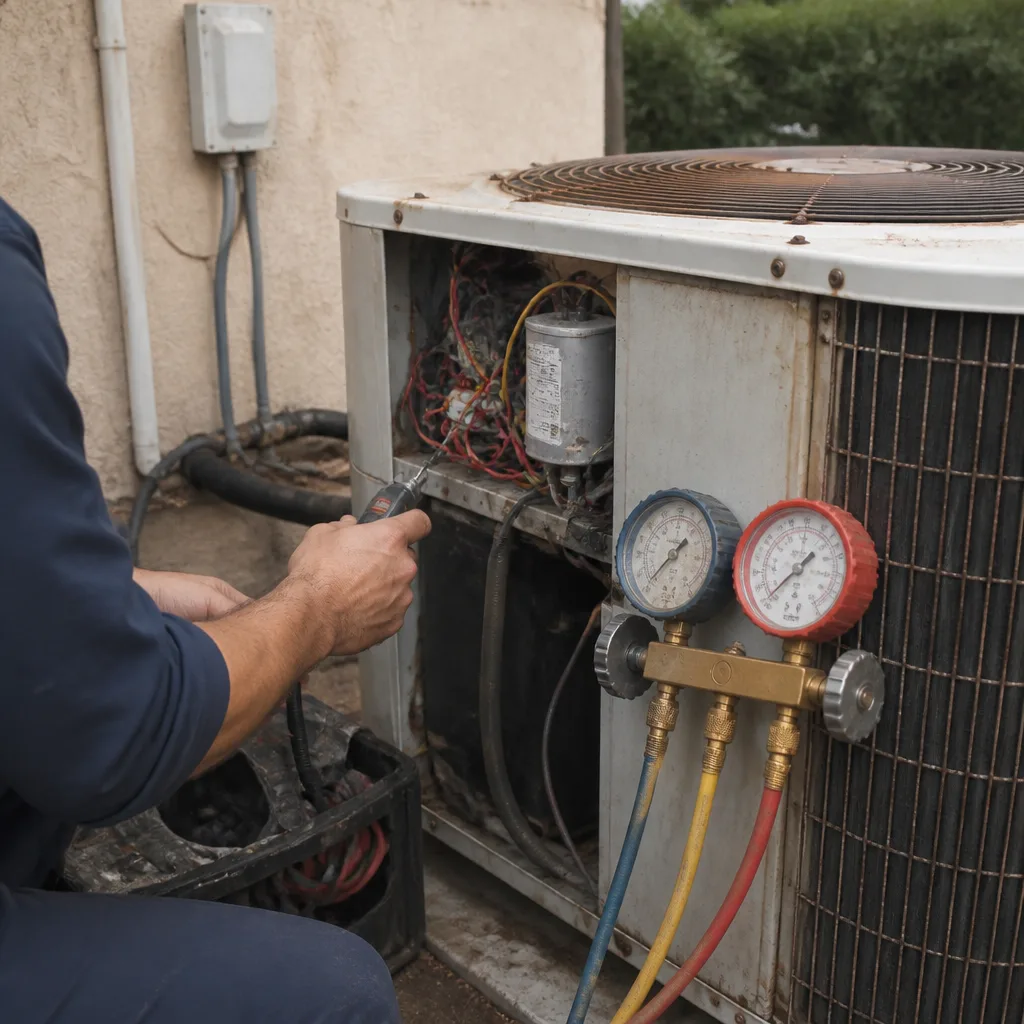 Before
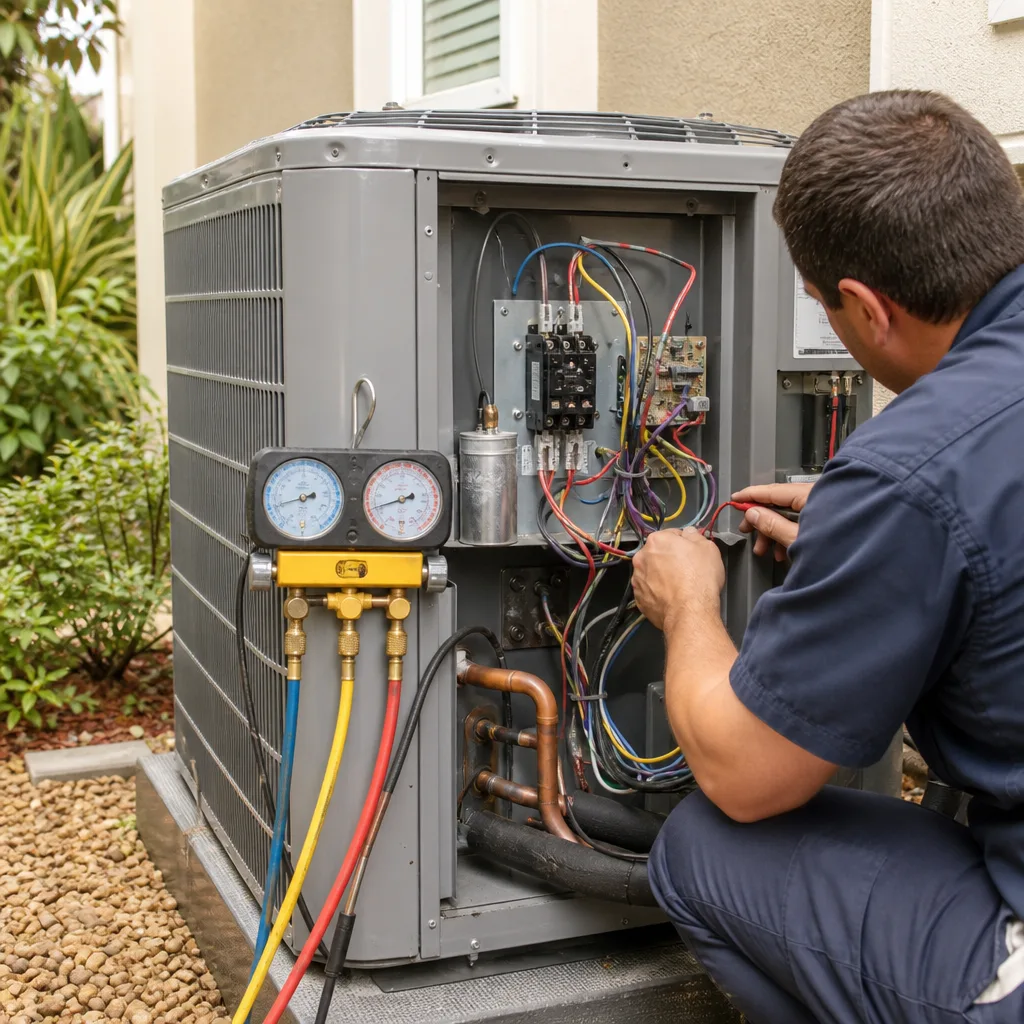 After
After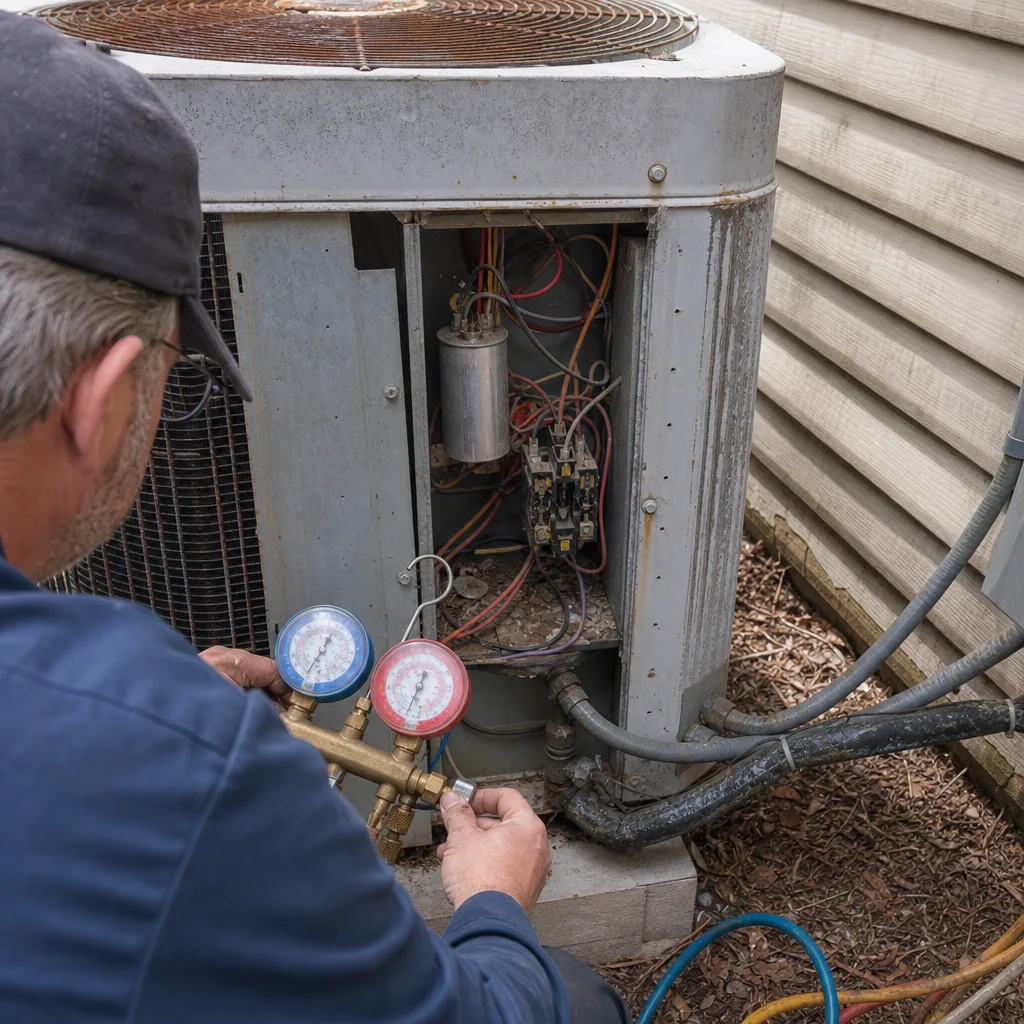 Before
 After
After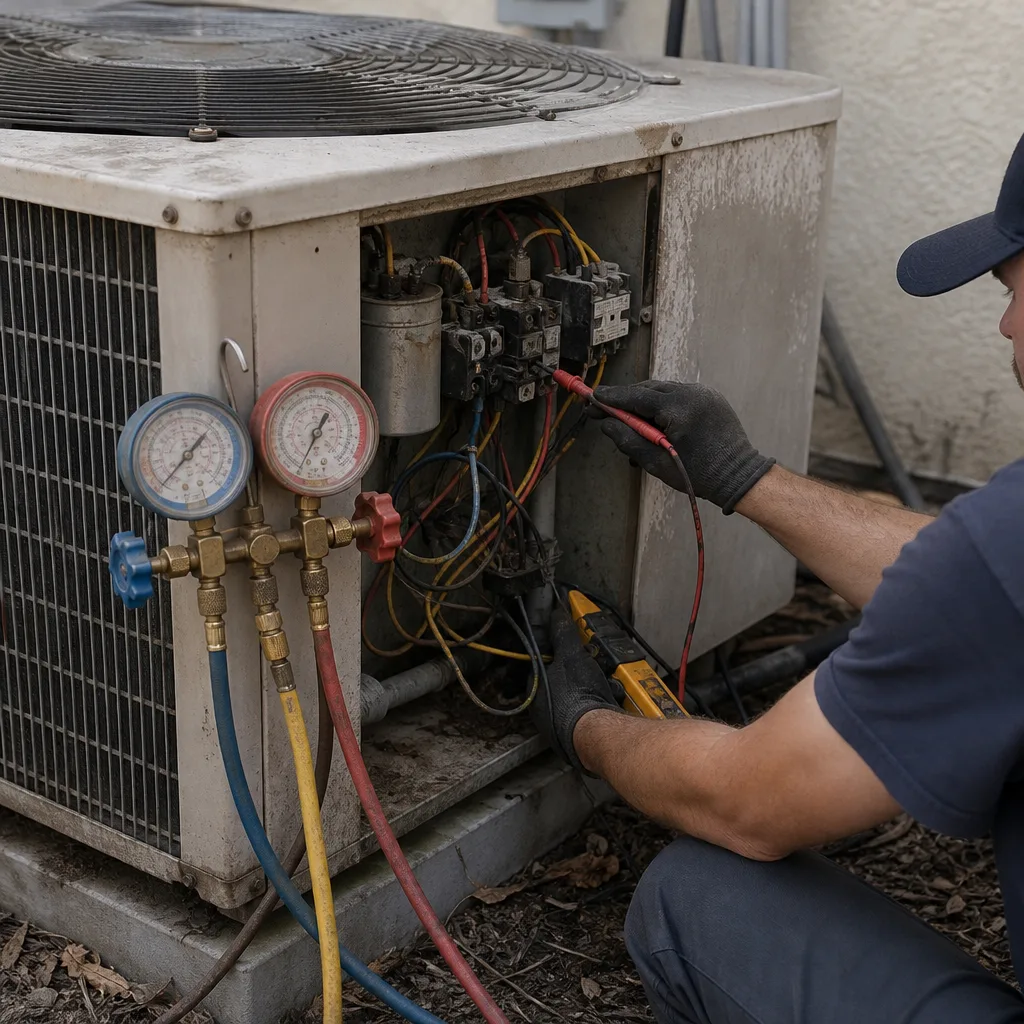 Before
 After
After